
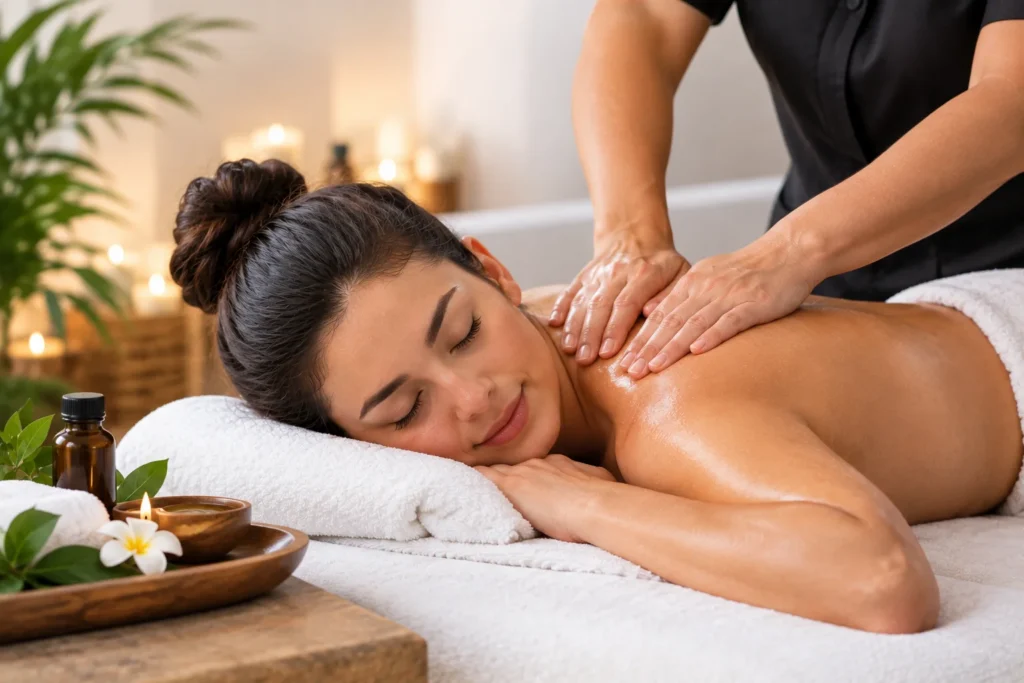
Understanding the different types of massage can help you choose a treatment that matches your wellness goals, comfort level, and physical needs. Some techniques emphasize relaxation, while others focus on muscle tension, athletic recovery, or gentle, specialized care.
For readers exploring wellness services through Salomio, knowing how these approaches differ makes it easier to compare treatments and communicate with a massage therapist. Although massage may help reduce stress and temporarily relieve certain types of pain, results vary, and it should not replace appropriate medical care. The best option depends on your preferences, health history, and the practitioner’s qualifications.
What Are the Most Popular Types of Massage?
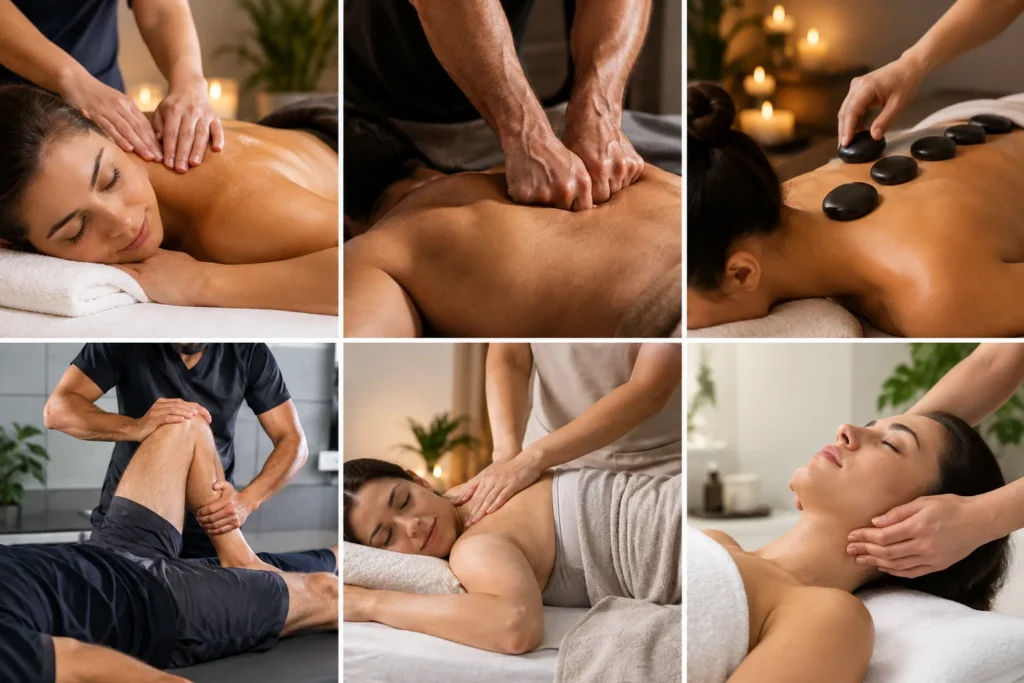
Massage techniques differ in pressure, movement, and purpose. Some use long, flowing strokes to encourage relaxation, while others apply more focused pressure or incorporate stretching. Understanding these differences helps you select a session based on whether you want general relaxation, relief from muscle tightness, or support for a specific activity. Massage may offer short-term benefits for certain symptoms, but scientific evidence varies by condition and technique. The National Center for Complementary and Integrative Health (NCCIH) recommends considering both potential benefits and personal health factors when choosing massage therapy.
What Is Swedish Massage, and Who Can Benefit From It?
Swedish massage is a common choice for people seeking relaxation or trying massage for the first time. It typically uses long gliding strokes, kneading, and gentle to moderate pressure across different muscle groups. A session can help ease everyday tension and create a calming experience without requiring the more intense pressure associated with some specialized techniques.
Victoria Bodner, a licensed massage therapist at Cleveland Clinic, explains that Swedish massage “can help calm your nervous system.” This makes it a useful option for people who prioritize relaxation. Pressure should remain comfortable, and clients can ask for adjustments throughout the session.
When Is Deep Tissue or Sports Massage Appropriate?
Deep tissue massage uses slower strokes and more focused pressure on areas of persistent muscle tightness. It may suit people experiencing muscular discomfort associated with repetitive activities or physical strain, although intense pressure is not necessary for every problem and can increase the risk of adverse effects in some individuals.
Sports massage focuses on muscles used during athletic training or repetitive physical activity. Depending on the timing and techniques used, it may be incorporated into a recovery or preparation routine. Neither technique should cause significant pain. Tell your therapist about injuries, medical conditions, or unusual tenderness before treatment, and ask them to reduce pressure if it becomes uncomfortable.
How Do Different Massage Techniques Support Relaxation and Recovery?
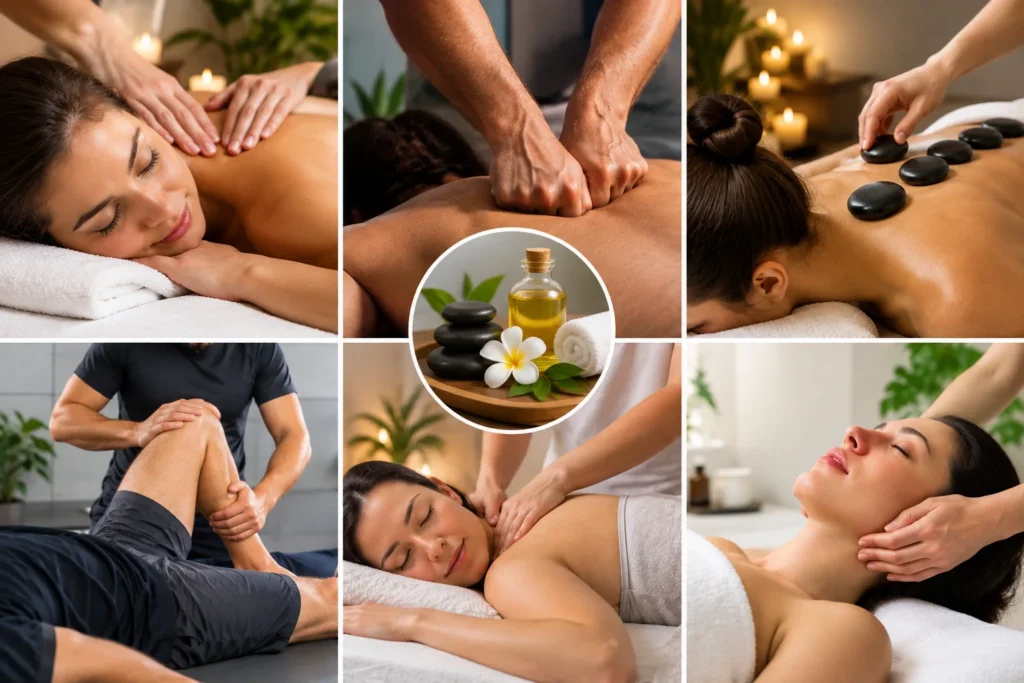
Beyond Swedish, deep tissue, and sports massage, several approaches use distinctive tools, movements, or treatment goals. Hot stone massage incorporates heated stones, aromatherapy massage uses essential oils, and Thai massage commonly combines assisted stretching with pressure techniques. Shiatsu is a Japanese approach that applies pressure to specific areas of the body. These methods are not interchangeable, and the experience can vary between practitioners. Choose according to your comfort, preferences, and health needs rather than assuming that a more specialized treatment is automatically more effective.
What Are the Benefits of Hot Stone and Aromatherapy Massage?
Hot stone massage involves placing or gliding smooth, warmed stones over selected areas of the body. The warmth may feel soothing and can contribute to relaxation, but temperatures must be carefully controlled to prevent burns. People with reduced heat sensation or certain medical conditions should seek professional advice before choosing this treatment.
Aromatherapy massage combines massage techniques with essential oils used for their scent. Some clients find the experience calming, but fragrances and oils can trigger irritation or allergic reactions. Tell your therapist about sensitivities, asthma triggers, or allergies, and request an unscented alternative if needed. These treatments are best understood as relaxation options rather than proven cures for medical conditions.
How Do Thai Massage and Shiatsu Differ From Other Types?
Thai massage commonly combines pressure, assisted stretching, and guided body movements. It may appeal to people who prefer an active session rather than remaining still throughout a traditional table massage. Because some techniques involve substantial movement, tell the practitioner about joint limitations, injuries, or mobility concerns beforehand.
Shiatsu is a Japanese massage tradition that uses finger or hand pressure on specific body areas. The pressure and session structure vary according to the practitioner’s training. Both approaches may promote relaxation, but evidence for specific health outcomes differs. NCCIH notes that massage research across many techniques remains preliminary or inconsistent. Select a qualified practitioner and ask what the session will involve before beginning.
Which Type of Massage Is Best for Your Needs?
The most suitable massage depends on your primary goal, preferred pressure, health history, and comfort with the techniques involved. Someone looking for a relaxing experience may prefer Swedish massage, while an athlete may explore sports massage with a qualified practitioner. People seeking a specialized service, such as prenatal or lymphatic drainage massage, need a provider trained in that technique. There is no single best massage for everyone, and a therapist should be willing to adapt the session. Use the following comparison as a starting point, not as a substitute for individualized advice.
How Do You Compare Massage Types and Their Benefits?
| Massage type | Main focus | Important consideration |
|---|---|---|
| Swedish | Relaxation and general muscle tension | Suitable pressure should feel comfortable |
| Deep tissue | Focused work on tight muscles | Strong pressure is not always appropriate |
| Sports | Muscles involved in athletic activity | Adapt to training and injury status |
| Hot stone | Relaxation with warmth | Heat sensitivity and burn risk matter |
| Aromatherapy | Massage with scented oils | Check for allergies and sensitivities |
| Thai | Assisted stretching and pressure | Mobility and joint limitations may affect suitability |
| Shiatsu | Targeted pressure techniques | Practitioner training and technique vary |
| Prenatal | Adapted massage during pregnancy | Choose a provider trained in prenatal care |
| Lymphatic drainage | Specialized, gentle techniques | Medical swelling requires appropriate assessment |
How Do You Choose the Right Massage for Your Goals?
Start by identifying what you want from the session: relaxation, relief from general muscle tightness, support for an exercise routine, or a specialized service. Ask the practitioner about their training, the pressure they use, and whether the treatment is appropriate for your health history. If you are new to massage, a gentle session may be a practical starting point.
Choose a massage in five steps
- Identify your main goal and preferred pressure.
- Review the available techniques and what each session involves.
- Tell the therapist about injuries, medical conditions, pregnancy, medications, and sensitivities.
- Agree on comfort limits and communicate throughout the session.
- Evaluate how you feel afterward before deciding whether to repeat the treatment.
What Should You Know About Massage Safety and Its Benefits?
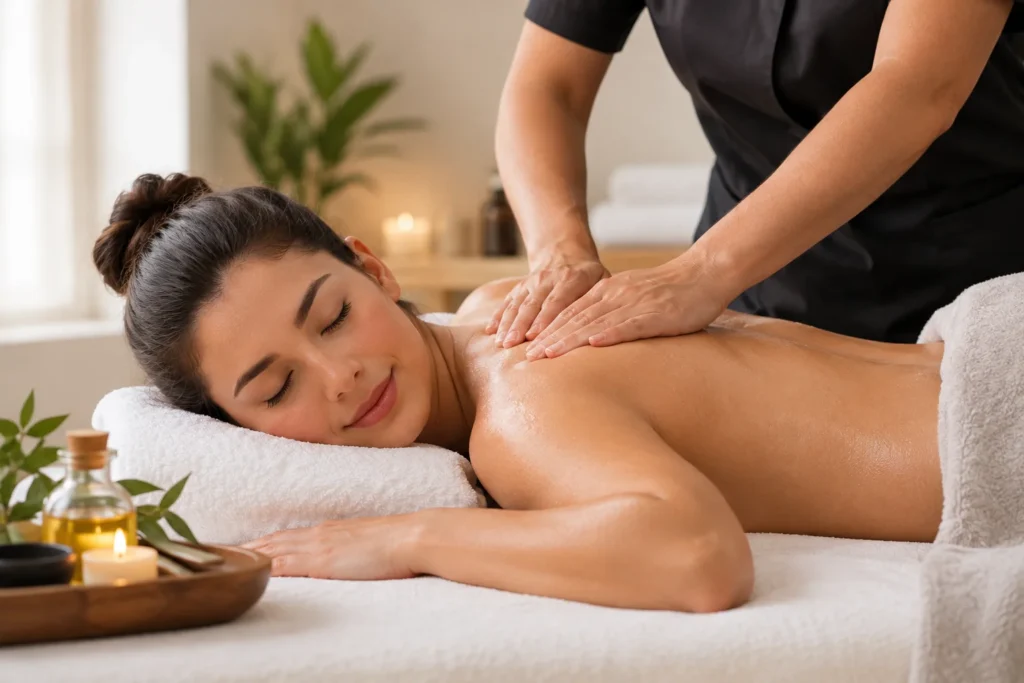
Massage is generally low-risk when performed appropriately by a trained practitioner, but it is not suitable in every circumstance. Some techniques may cause soreness, and vigorous pressure has rarely been associated with serious complications.
The NCCIH notes that reported adverse effects have included blood clots, nerve injury, and fractures, particularly in some higher-risk situations. Tell your provider about relevant health conditions before treatment. If you have a medical concern, ask a healthcare professional whether massage is appropriate rather than using it as a replacement for diagnosis or treatment.
When Should You Seek Medical Advice Before a Massage?
Speak with a healthcare professional before booking if you have a history of blood clots, take blood-thinning medication, have osteoporosis, are recovering from surgery, or have a condition that affects sensation or tissue strength. Pregnancy may also require specific modifications and a practitioner trained in prenatal massage.
Avoid massage over areas with suspected blood clots, open wounds, acute injuries, or unexplained swelling until you have received appropriate medical advice. If you experience sharp or worsening pain during a session, ask the therapist to stop. Massage should not cause significant pain, and a therapist should respect your comfort limits.
Conclusion
The different types of massage offer varied experiences, from gentle relaxation to focused muscle work and specialized techniques. Swedish massage may suit general relaxation, deep tissue massage targets specific areas of tightness, and sports massage can be adapted to athletic needs. Hot stone, aromatherapy, Thai, Shiatsu, prenatal, and lymphatic drainage massage each have distinct considerations. Choose based on your goals, comfort, health history, and practitioner qualifications. Salomio helps readers explore wellness and personal-care services with a more informed perspective.



Comments