
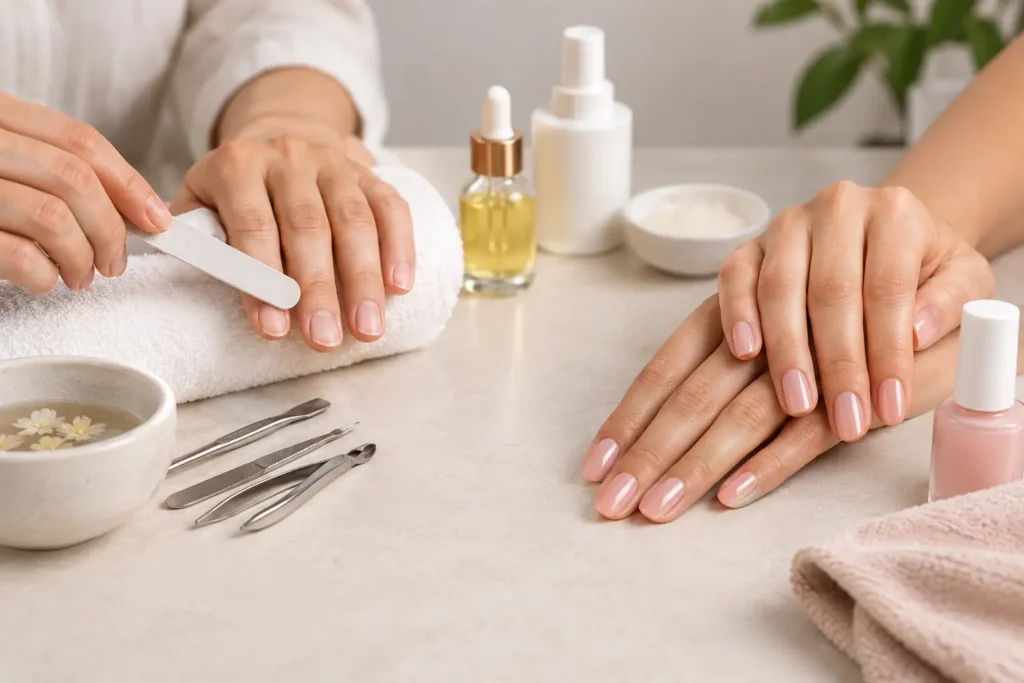
A professional manicure is not only about polished nails; proper preparation and aftercare also matter. For clients, salons, nail technicians, and beauty professionals, understanding nail care before and after manicure can help maintain healthier-looking nails and extend the appearance of a manicure.
This guide from Salomio covers practical preparation, cuticle care, hygiene, gel manicure aftercare, and simple maintenance steps.
What Should You Do Before a Manicure?
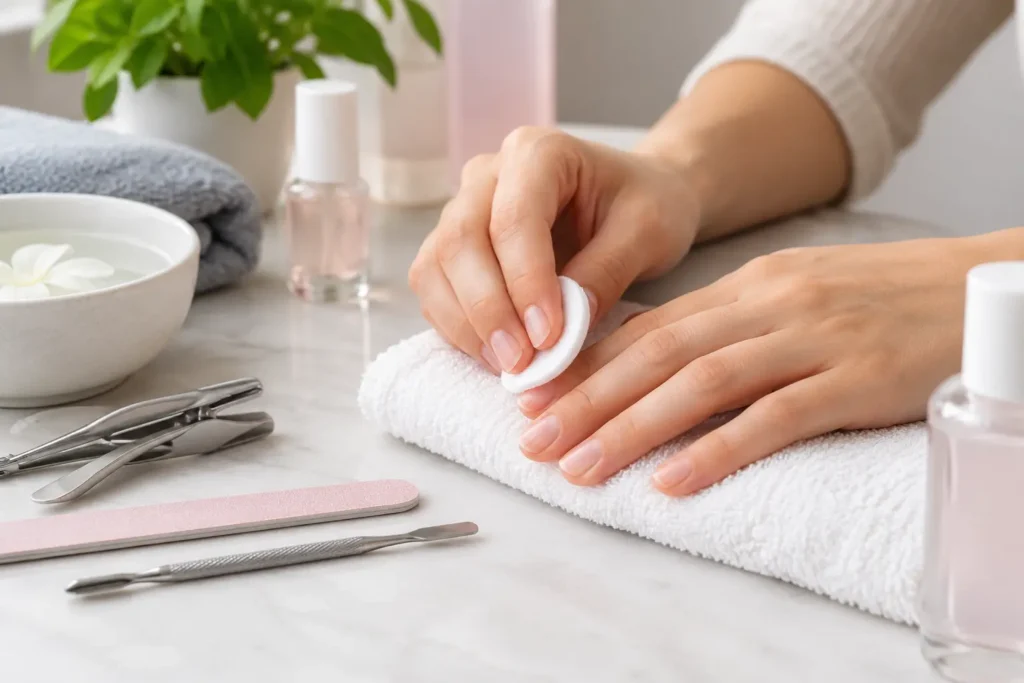
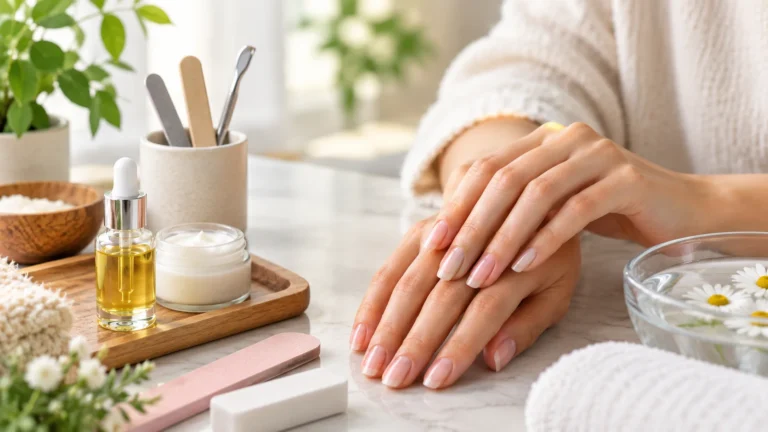
Before your appointment, remove old polish gently and keep your nails clean. Avoid aggressively cutting or filing your nails because the final shape can be discussed with your nail technician. Check the skin around your nails for cuts, swelling, irritation, or unusual changes. The CDC recommends keeping nails clean and ensuring shared nail tools are properly sterilized in professional settings.
Should You Cut Your Cuticles Before a Manicure?
No. Cuticles help protect the nail area from bacteria and other microorganisms. The American Academy of Dermatology recommends avoiding cutting or forcefully pushing back cuticles because this can increase the risk of inflammation and infection.
How Can You Protect Your Nails During a Manicure?
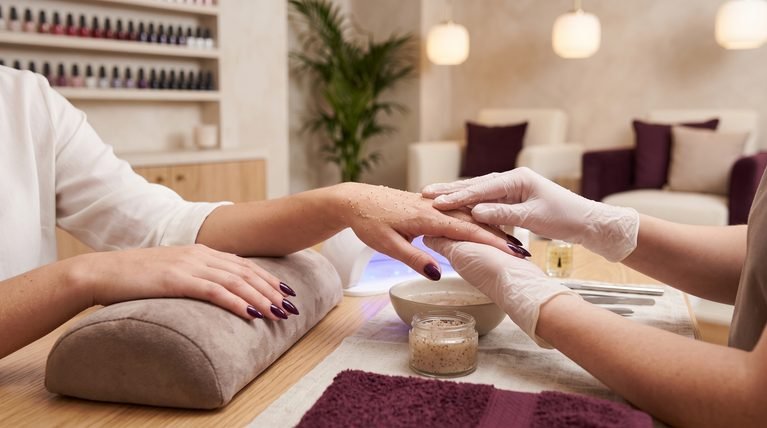
Hygiene should be a priority throughout the service. Professional tools should be cleaned and sterilized between clients, while the technician should work gently around the nail plate and surrounding skin. A clean workstation and proper hand hygiene are also important indicators of good salon practice.
Dr. Karlin, quoted by the AAD, warns that the cuticle “acts as a protective barrier” and should not be unnecessarily breached.
What Should You Do After a Manicure?
After your manicure, moisturize your hands and cuticles regularly, particularly after washing your hands. Avoid using your nails as tools for opening packages or scratching surfaces. If you work with household cleaners, gloves can help protect the surrounding skin and manicure.
For gel manicures, avoid picking, peeling, or scraping the product away. The AAD notes that repeated gel manicures can contribute to nail brittleness, peeling, and cracking.
How Can You Make Your Manicure Last Longer?
Keep nails protected from unnecessary impact, moisturize the cuticles, and follow the correct removal method for your manicure type. If polish begins lifting, do not pull it off manually.
How Should You Care for Gel or Artificial Nails?
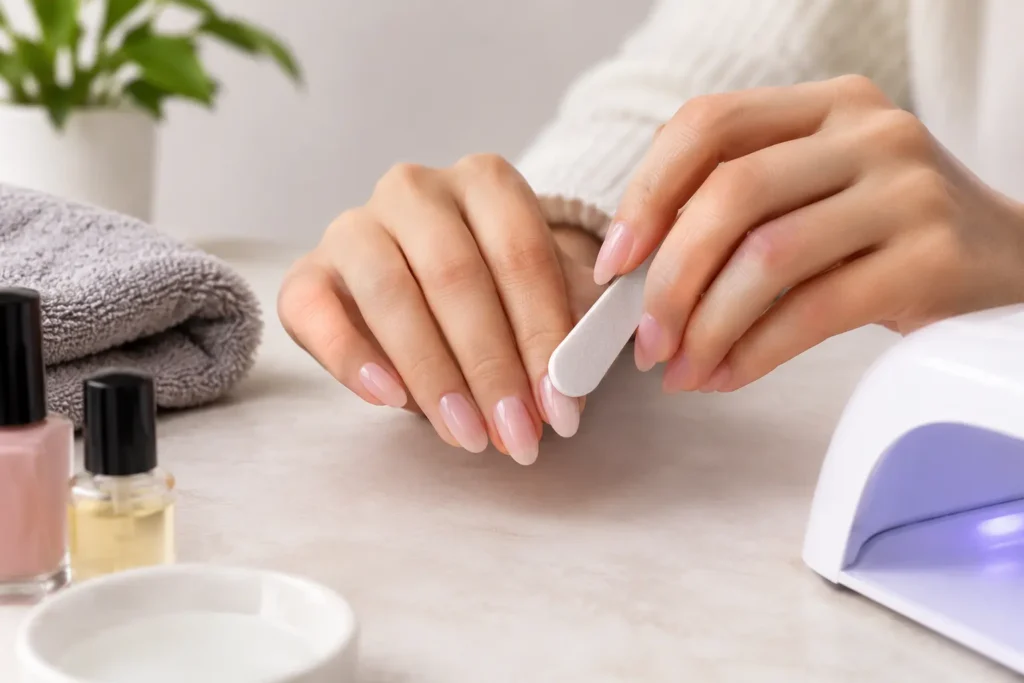
Gel and artificial nails require particular attention during removal. Filing or peeling products away aggressively can damage the natural nail. The AAD recommends appropriate removal rather than picking at gel polish. Dermatologist Shari Lipner explains that picking and scraping gel polish can significantly damage nails.
For artificial nails, regular touch-ups can also place additional stress on natural nails, so periods without artificial enhancements may be useful when nails become weak or damaged.
How Can You Build a Simple Before-and-After Manicure Routine?
What Is a Simple Nail Care Routine?
- Before: Clean your nails, remove old polish gently, and avoid cutting your cuticles.
- During: Choose a hygienic salon and make sure reusable tools are properly sterilized.
- After: Moisturize your hands and cuticles, protect nails from chemicals, and never peel gel or artificial products.
- Between appointments: Watch for persistent pain, swelling, discoloration, lifting, or unusual nail changes and seek professional medical advice when necessary.
Nail Care Before and After a Manicure
| Stage | Recommended care |
|---|---|
| Before | Clean nails and remove old polish |
| During | Prioritize hygiene and gentle cuticle care |
| After | Moisturize nails and cuticles |
| Gel | Never peel or scrape the product |
| Between visits | Monitor unusual nail changes |
Conclusion
Good nail care starts before the manicure and continues after the polish is applied. Proper hygiene, gentle cuticle care, regular moisturizing, and safe product removal can help protect the natural nail. Salomio aims to provide practical beauty information that helps clients and professionals make better-informed nail-care decisions.
Comments