
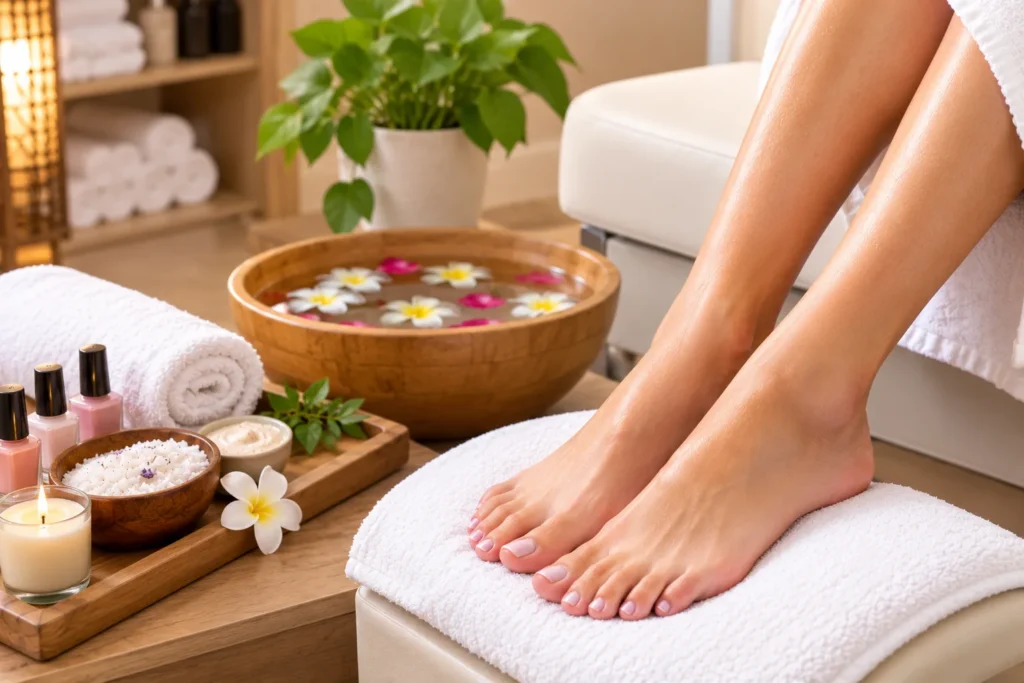
A spa pedicure is a foot-care treatment that combines standard nail grooming with additional services designed to improve the appearance and feel of the feet. Depending on the salon, it may include a warm foot soak, exfoliation, a hydrating mask, an extended massage, moisturizing products, and nail polish. However, not every salon offers the same package, so understanding what is included is essential before booking.
For salon owners, nail technicians, and beauty professionals, explaining these differences helps clients choose services that match their needs and budgets. For customers, the main question is whether the extra treatments justify the higher price. This guide explores what a spa pedicure includes, its benefits, how it compares with a regular pedicure, and how to choose a service that offers genuine value.
What Is a Spa Pedicure and What Does It Include?
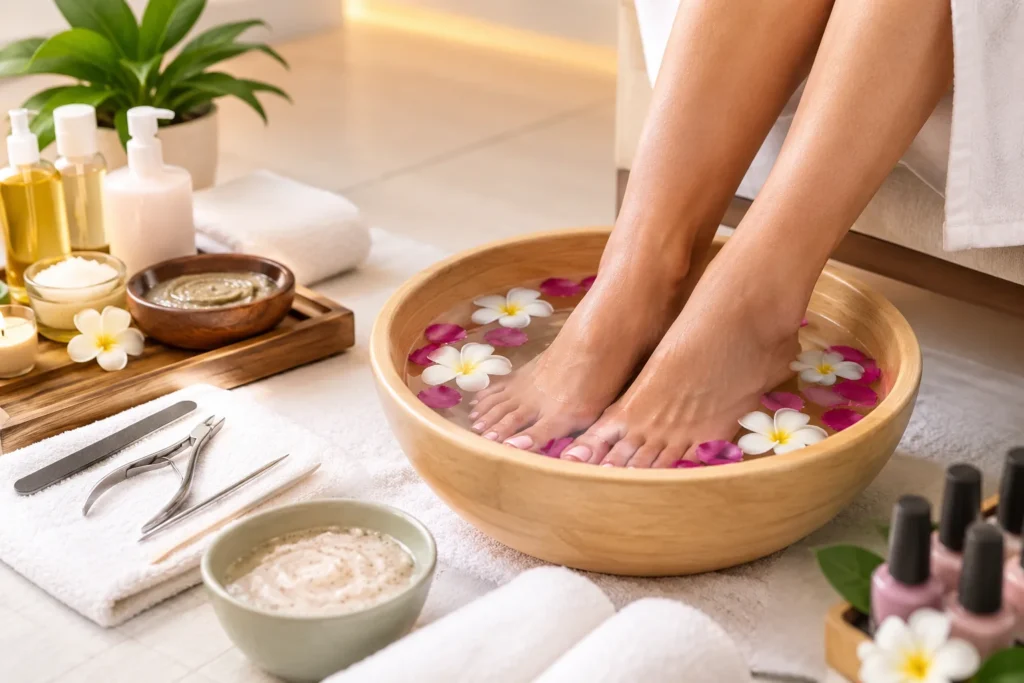
A spa pedicure is an enhanced version of a traditional pedicure, combining routine nail care with additional skin-care and relaxation steps. Its exact definition is not universal: one salon may include a scrub and longer massage, while another may offer a foot mask, hot towels, or specialty products. Therefore, the service name alone does not guarantee a particular treatment. Clients should review the salon’s menu and confirm which steps are included, whether nail polish is optional, and whether any upgrades cost extra.
What Happens During a Typical Spa Pedicure?
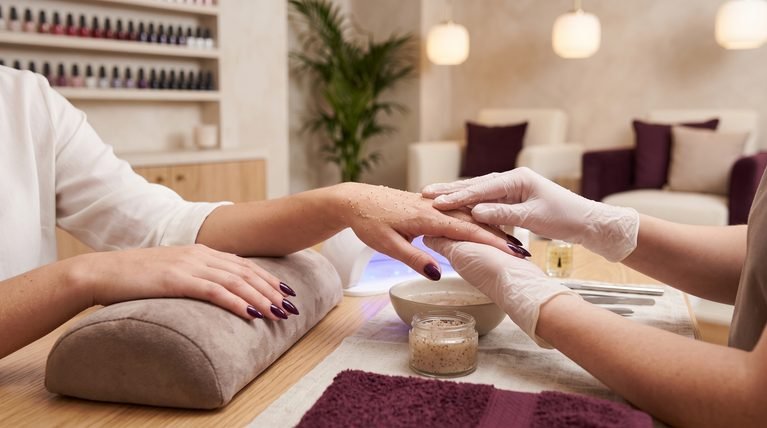
A spa pedicure commonly begins with a foot assessment and cleansing, followed by a warm soak when appropriate. The technician then trims and shapes the toenails, provides gentle cuticle care, and exfoliates the skin to remove some surface buildup. Depending on the package, a moisturizing mask, warm towels, or a longer foot massage may follow. The service usually finishes with moisturizer and optional nail polish.
These steps are examples rather than a universal checklist. Some packages focus on relaxation, while others emphasize exfoliation and hydration. A professional should adjust the treatment to the client’s comfort and avoid aggressive scraping or cutting. Clients with open wounds, suspected infections, or painful nail problems should postpone a cosmetic service and seek appropriate medical advice when necessary.
Which Products and Extras Make a Spa Pedicure Different?
Spa pedicures may use foot scrubs, creams, masks, aromatic products, or richer moisturizers that are not included in every basic pedicure. Some salons also offer extended massage, paraffin treatments, or hot-stone add-ons. These extras can make the appointment feel more comprehensive, but their availability depends on the service tier and salon.
For beauty professionals, transparency is important. Explain the purpose of each product, check for known sensitivities, and ask clients about fragrance preferences or skin reactions. Avoid promising that cosmetic products will cure cracked heels, fungal infections, or other medical conditions. The strongest service descriptions explain the experience clearly without making unsupported health claims.
What Are the Main Benefits of a Spa Pedicure?
A spa pedicure can offer cosmetic and comfort-related benefits beyond basic nail grooming. Exfoliation may help smooth rough-feeling skin, moisturizing products can temporarily improve softness, and massage can make the appointment feel relaxing. The overall value depends on the client’s needs and the quality of the service rather than the number of products used. A spa pedicure is not a substitute for medical foot care, and results vary according to skin condition, treatment technique, and home-care habits.
Can a Spa Pedicure Help With Dry, Rough Feet?
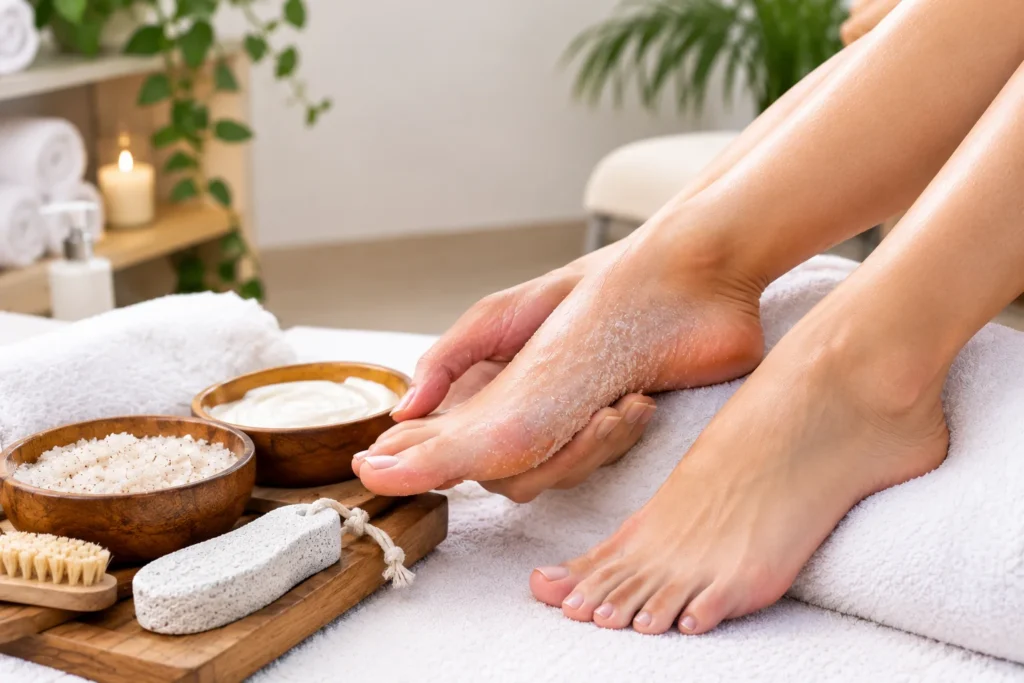
Gentle exfoliation can help remove some dead surface skin, while a suitable moisturizer helps reduce dryness and improve the skin’s feel. These steps can be useful for clients whose feet feel rough after wearing open shoes, standing for long periods, or neglecting regular moisturizing. However, the treatment should remain gentle. Excessive filing or aggressive callus removal can irritate or damage the skin instead of improving it.
People with deep heel cracks, persistent pain, swelling, or signs of infection may need professional medical assessment rather than a cosmetic treatment. Clients with diabetes, reduced sensation, or circulation problems should discuss suitable foot care with a qualified healthcare professional. A responsible salon recognizes these limits and does not treat every foot concern as a routine beauty issue.
Does the Massage Make a Spa Pedicure Worthwhile?
An extended foot massage can be one of the most noticeable differences between a regular pedicure and a spa package. It adds time for relaxation and may temporarily ease the feeling of tired feet. The experience can be particularly appealing to clients who value a slower, more comfortable appointment rather than a quick nail-maintenance service.
Nevertheless, massage is not a medical treatment and should not be presented as a cure for pain or circulation disorders. Pressure should remain comfortable, and the technician should ask about preferences before beginning. In its guidance on medical pedicures, Cleveland Clinic quotes podiatrist Joy Rowland, DPM: “Your feet will look and feel great after a medical pedicure, but the experience itself is different.” Read the Cleveland Clinic guide to medical pedicures. Although a medical pedicure differs from a spa service, the distinction reinforces an important point: cosmetic results, relaxation, and clinical foot care are not interchangeable.
How Is a Spa Pedicure Different From a Regular Pedicure?
A regular pedicure generally focuses on essential nail grooming and a tidy finish. A spa pedicure adds optional comfort and skin-care elements, often with more time dedicated to exfoliation, hydration, or massage. Neither service is automatically better for every client. Someone who mainly wants neatly shaped toenails may be satisfied with a basic package, while someone seeking a longer, more relaxing appointment may prefer the spa option.
What Are the Key Differences in Services, Time, and Price?
The comparison below outlines common differences. Actual inclusions, duration, and prices vary by location, salon, and package, so clients should check the service menu before booking.
| Feature | Regular Pedicure | Spa Pedicure |
|---|---|---|
| Main purpose | Routine nail grooming | Nail care plus a more indulgent experience |
| Nail trimming and shaping | Usually included | Usually included |
| Foot soak | Often included | Often included, depending on the package |
| Exfoliation | Basic or limited | May include a more extensive scrub |
| Massage | Usually brief or optional | Often longer or more detailed |
| Masks and specialty products | Less common | May be included or offered as upgrades |
| Appointment length | Often shorter | Often longer |
| Cost | Usually lower | Usually higher |
The practical difference is the additional time and services, not simply the word “spa.” If the package costs significantly more but adds only one small extra, the value may be limited. Compare the written inclusions and choose according to what you will actually use.
Which Pedicure Offers Better Value for Different Clients?
A regular pedicure may offer better value for clients who want consistent nail maintenance, prefer shorter appointments, or have a limited budget. A spa pedicure may be more worthwhile for someone who enjoys massage, wants additional moisturizing steps, or is treating the appointment as a relaxation experience.
For salon owners, the comparison also provides an opportunity to communicate service tiers clearly. Rather than describing the most expensive package as the best option for everyone, explain the specific benefits of each level. Clients can then make informed choices and are more likely to understand what they are paying for. Value should be measured by the relevance, quality, and safety of the service—not by price alone.

Is a Spa Pedicure Worth the Cost?
A spa pedicure can be worth the extra expense when the additional services match a client’s preferences and the salon maintains strong hygiene standards. It may be less worthwhile for someone who only needs nail trimming and shaping. Since prices differ by region and package, there is no single price that defines a good deal. Review the complete service description, ask about optional charges, and compare the extra features with your priorities before deciding.
How Can You Choose a Spa Pedicure That Offers Good Value?
Use this simple checklist before booking:
- Compare the inclusions. Confirm whether exfoliation, massage, masks, moisturizing products, and polish are included or charged separately.
- Check the technician’s qualifications. Look for appropriate training, licensing where required, and clear answers about the service.
- Assess hygiene practices. Ask how reusable instruments and foot baths are cleaned and disinfected between clients.
- Discuss sensitivities. Tell the technician about product allergies, fragrance sensitivities, or discomfort with particular treatments.
- Choose the right level of service. Pay for extras you genuinely want rather than assuming a more expensive package is automatically better.
The American Academy of Dermatology’s pedicure safety guidance advises clients to check salon cleanliness and ask how tools are cleaned. Its guidance states: “In addition, do not hesitate to ask how they clean their tools.” This is a practical reminder that hygiene deserves as much attention as the treatment menu.
Avoid shaving your lower legs during the 24 hours before a pedicure, as small nicks may increase infection risk. Do not use a foot spa if you have open cuts or wounds. If a salon cannot explain its cleaning procedures or appears unhygienic, choose another provider.
How Can You Maintain Your Results After a Spa Pedicure?
After a spa pedicure, simple home care can help maintain soft skin and a neat appearance. A salon treatment is only one part of foot care; regular cleansing, drying, moisturizing, and nail maintenance remain important between appointments. The best routine is gentle and consistent, rather than relying on intensive exfoliation every time.
What Should You Do Between Appointments?
Wash your feet regularly and dry them thoroughly, especially between the toes. Apply a suitable foot moisturizer to dry areas, avoiding excessive product between the toes where trapped moisture can contribute to problems. Trim toenails carefully and avoid cutting them too short or digging into the corners. If you use nail polish continuously, consider occasional breaks to observe the natural appearance of your nails.
The Centers for Disease Control and Prevention’s foot hygiene guidance recommends keeping feet clean and dry, checking for cuts or sores, and choosing clean, licensed salons that properly sterilize instruments. Seek medical advice if you notice persistent redness, swelling, unusual nail changes, worsening cracks, or other signs of infection. Routine cosmetic care should never delay evaluation of a potentially medical problem.
Conclusion
A spa pedicure offers more than basic nail grooming by combining cosmetic foot care with additional treatments designed for comfort and relaxation. Whether it is worth the cost depends on the services included, salon hygiene, technician skill, and your individual priorities. For routine maintenance, a regular pedicure may be enough; for a more comprehensive salon experience, a spa package may provide better personal value.
For salon owners and beauty professionals, clear service descriptions and consistent hygiene practices help build trust and set realistic expectations. Explore more practical nail-care and salon-service insights with Salomio, and use these guidelines to make informed choices about foot-care services.

Comments