

Beard itch can make growing and maintaining facial hair uncomfortable, especially when the skin underneath becomes dry, flaky, or irritated. The problem is not always caused by the beard itself. In many cases, inadequate cleansing, moisture imbalance, shaving habits, ingrown hairs, or skin conditions contribute to the discomfort.
Learning how to prevent beard itch starts with understanding the needs of both facial hair and the skin beneath it. A consistent grooming routine can help reduce irritation, maintain skin comfort, and keep facial hair looking healthy. For barbers and grooming professionals, understanding these causes also makes it easier to recommend appropriate aftercare to clients.

Why Does Your Beard Itch and What Causes Skin Irritation?
Beard itch can develop at different stages of facial hair growth. Some people notice discomfort when short stubble begins to emerge, while others experience itching after growing a longer beard. The underlying causes can include dry skin, trapped dead skin cells, shaving irritation, or inflammatory skin conditions. Identifying the likely cause is important because using more beard oil, washing more frequently, or exfoliating aggressively will not solve every type of irritation. A suitable prevention routine should address the skin as well as the hair and should avoid products or grooming habits that make symptoms worse.
Can Dry Skin and New Beard Growth Cause Itching?
Dry skin is one of the common reasons for an itchy beard. The skin beneath facial hair can lose moisture, particularly when someone uses harsh soap, hot water, or cleansing products that are not designed for the face. As the skin becomes dry, it may feel tight, rough, flaky, and uncomfortable. Beard hair can also feel coarse against the skin, increasing the sensation of prickling or itching.
New beard growth may contribute to discomfort, too. Short, coarse stubble can rub against nearby skin, especially during the early stages of growing a beard. However, not every case of itching during beard growth is simply a normal adjustment. Persistent redness, painful bumps, or scaling may indicate another issue. A routine that combines gentle cleansing with appropriate moisturizing can help address dryness without irritating the skin further.
Can Ingrown Hairs, Beard Dandruff, or Skin Conditions Be Responsible?
Ingrown hairs develop when a hair curls back or grows into the surrounding skin. They can cause itchy bumps, redness, and sometimes tenderness, particularly after close shaving. Beard dandruff, often associated with seborrheic dermatitis, may produce visible flakes, itching, and greasy or scaly patches beneath facial hair.
Other conditions, including folliculitis and fungal infections, can also affect the beard area. Folliculitis involves inflammation of hair follicles and may cause clusters of red or pus-filled bumps. These conditions require different approaches from ordinary dry skin. For example, repeatedly applying oil to flaky or inflamed skin may not address the underlying cause. If symptoms persist, spread, become painful, or involve hair loss, a dermatologist can help identify the condition and recommend suitable treatment.
How Can You Build a Beard Care Routine to Prevent Itching?
A consistent beard care routine helps remove dirt, excess oil, sweat, and dead skin cells while maintaining moisture. The goal is not to make the beard as clean or as soft as possible through frequent washing and heavy product use. Instead, care should be gentle, regular, and appropriate for the person’s skin type and beard length. Dermatologists recommend treating the skin beneath facial hair as part of the grooming process. This matters because applying products only to the visible beard may leave the underlying skin dry or irritated.
How Should You Wash and Moisturize Your Beard?
Use a gentle facial or beard cleanser that suits your skin type. Massage it through the beard and onto the skin underneath, then rinse thoroughly with lukewarm water. Avoid relying on ordinary body soap or harsh shampoos if they leave your face feeling tight or dry. Washing frequency depends on your activity level, skin type, and product buildup, but daily gentle facial cleansing is recommended by dermatologists.
After washing, pat your beard dry with a clean towel instead of rubbing it vigorously. Apply a suitable moisturizer while the skin is slightly damp. People with normal or dry skin may find a small amount of beard oil helpful, while those with sensitive skin may prefer a fragrance-free, non-comedogenic moisturizer. If the skin is acne-prone, a lightweight beard conditioner may be more suitable than a heavy oil. Work the product through the beard so that it reaches the skin rather than coating only the hair.
Which Beard Products Should You Choose?
Product selection should be based on skin needs, not just beard length or fragrance preferences. A beard oil may soften facial hair and reduce the feeling of roughness, but it is not a universal treatment for every cause of itching. Heavy or fragranced formulas can irritate some people or contribute to clogged pores. Look for products formulated for facial use and introduce new products one at a time so that a reaction is easier to identify.
| Skin or beard concern | Product approach | What to consider |
|---|---|---|
| Dry skin | Hydrating, fragrance-free moisturizer | Apply to slightly damp skin |
| Normal or dry beard | Small amount of beard oil | Avoid excessive application |
| Sensitive skin | Fragrance-free moisturizer | Choose gentle facial formulas |
| Acne-prone skin | Lightweight, non-comedogenic conditioner | Avoid heavy oils if they worsen breakouts |
| Beard dandruff | Appropriate anti-dandruff treatment | Seek advice if symptoms persist |
The American Academy of Dermatology recommends choosing beard moisturizers according to skin type. Its guidance includes beard oil for normal to dry skin and a fragrance-free, non-comedogenic moisturizer for sensitive skin. Product labels and individual tolerance matter more than marketing claims.
Which Grooming Habits Help Prevent Beard Itch and Irritation?
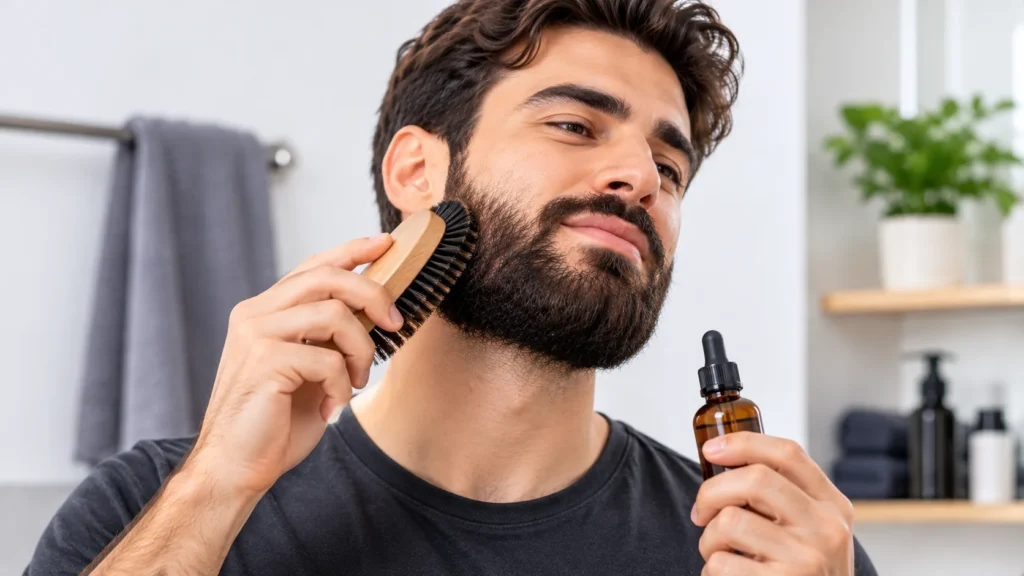
Daily grooming habits can either protect the skin or increase irritation. Excessive brushing, close shaving, dirty tools, and repeated touching may aggravate the beard area. A good grooming routine should keep facial hair manageable without creating unnecessary friction or damaging the skin barrier. This is particularly relevant for barbers and grooming professionals, who can help clients choose trimming methods that suit their hair growth pattern and skin sensitivity. Small adjustments to technique, tool hygiene, and product use can make beard maintenance more comfortable over time.
How Can You Trim and Shave Without Irritating Your Skin?
Before trimming or shaving, soften facial hair with warm water and use a suitable shaving cream, gel, or pre-shave product. Avoid shaving against the direction of hair growth if it causes bumps or irritation. Use light pressure and do not repeatedly pass the blade over the same area. If close shaving regularly causes ingrown hairs, an electric trimmer that leaves a little hair length may be a better option.
Keep razors and trimmers clean, and replace dull or disposable blades regularly. The American Academy of Dermatology advises changing razor blades after approximately five to seven shaves and storing razors in a dry place. After shaving, rinse away product residue and apply a gentle moisturizer. People who frequently develop painful razor bumps should avoid trying to dig out ingrown hairs, as this can worsen inflammation and increase the risk of scarring.
How Can You Create a Daily Routine to Prevent Beard Itch?
A practical routine does not need to involve many products. Consistency and gentle technique are more important than using a large number of grooming treatments. Follow these steps to care for the beard and the skin underneath:
- Cleanse gently: Wash your face and beard with a mild cleanser suited to your skin type.
- Rinse thoroughly: Use lukewarm water to remove cleanser, sweat, and product residue.
- Pat dry: Use a clean towel and avoid rubbing the beard or skin.
- Moisturize: Apply a suitable moisturizer to the skin beneath the beard while it is slightly damp.
- Condition if needed: Use a small amount of beard oil or conditioner appropriate for your skin type.
- Comb carefully: Use a clean beard comb or brush, moving gently to prevent pulling and friction.
Adjust this routine if a product causes burning, redness, or increased itching. Stop using the suspected product rather than adding more products to cover the reaction.
How Can You Soothe an Itchy Beard and Manage Common Problems?
When itching has already started, the first step is to avoid making the irritation worse. Scratching, aggressive exfoliation, very hot water, and applying several new products can increase discomfort. Instead, simplify the routine and identify whether the symptoms suggest dryness, shaving-related bumps, or a more persistent skin condition. Mild dryness may improve with gentle cleansing and moisturizing, but dandruff-like scaling or inflamed bumps may need targeted care. The correct response depends on the symptoms, so it is important not to treat every itchy beard as if it has the same cause.
What Should You Do About Beard Dandruff and Flaking?
Visible flakes beneath the beard may be caused by dry skin, but persistent scaling with redness or greasy patches can be associated with seborrheic dermatitis. Gentle cleansing and avoiding irritating products may help reduce discomfort. If dandruff is suspected, an anti-dandruff product containing an appropriate active ingredient, such as ketoconazole, may be recommended by a healthcare professional. Follow the product directions and avoid getting medicated products into the eyes or mouth.
The AAD’s dermatologist guidance on common beard problems discusses dandruff beneath facial hair and the use of anti-dandruff shampoos containing ingredients such as ketoconazole. Dermatologist Ross Radusky, MD, FAAD, also advises that “Brush gently” because excessive brushing can irritate the skin and worsen dandruff. If scaling does not improve, or if the skin becomes painful, broken, or increasingly inflamed, seek professional advice rather than repeatedly changing products.

When Should You See a Dermatologist About Beard Itching?
Occasional mild itching may improve when grooming habits and skin hydration are adjusted. However, persistent or severe symptoms should not automatically be treated with more oil, moisturizer, or exfoliation. A skin condition or infection may require a specific diagnosis and treatment. Knowing when home care is no longer appropriate is important for preventing complications and protecting the skin. This is especially relevant when irritation is accompanied by visible changes, discomfort, or symptoms that continue despite using gentle products and improving beard hygiene.
Which Symptoms Need Professional Attention?
Consider consulting a dermatologist if you experience persistent itching, spreading redness, painful or pus-filled bumps, thick scaling, swelling, or patches of beard hair loss. These symptoms may indicate folliculitis, seborrheic dermatitis, a fungal infection, or another skin condition. A dermatologist can examine the affected area and determine whether prescription medication or a specific treatment is needed.
Avoid sharing razors, trimmers, or grooming tools that have not been properly cleaned and disinfected. If a new product causes a sudden reaction, stop using it and seek medical advice if the reaction is significant or does not settle. Severe facial swelling or difficulty breathing requires emergency medical attention. For grooming professionals, referring clients with persistent or unusual symptoms to a qualified healthcare provider is safer than attempting to diagnose or treat a medical condition in the salon.
How Can You Maintain Long-Term Beard and Skin Health?
Long-term beard comfort depends on maintaining habits that support both facial hair and the skin underneath. Cleanse gently, moisturize according to skin type, keep grooming tools clean, and avoid shaving techniques that repeatedly cause ingrown hairs. Do not assume that using more beard oil will always improve dryness or itching. If a product consistently causes discomfort, discontinue it and consider a simpler alternative.
For barbers and men’s grooming professionals, aftercare advice should be practical and individualized. Ask clients about skin sensitivity and previous reactions before recommending products. Explain how to apply moisturizer beneath facial hair and why tool hygiene matters. A well-maintained beard is not simply a result of styling; it also depends on healthy skin and appropriate grooming practices.
Conclusion
Preventing beard itch requires more than applying beard oil or washing facial hair frequently. The most effective approach combines gentle cleansing, suitable moisturizing, careful trimming, and good grooming-tool hygiene. It is equally important to recognize when itching may be related to dandruff, ingrown hairs, or another skin condition that needs professional attention.
For barbers, salon owners, and men’s grooming professionals, understanding these principles makes it easier to provide clients with practical aftercare recommendations. Salomio supports a more informed approach to men’s grooming by connecting professional knowledge with everyday care. Build a consistent beard-care routine, choose products according to skin type, and make healthy skin the foundation of every well-groomed beard.

Comments