
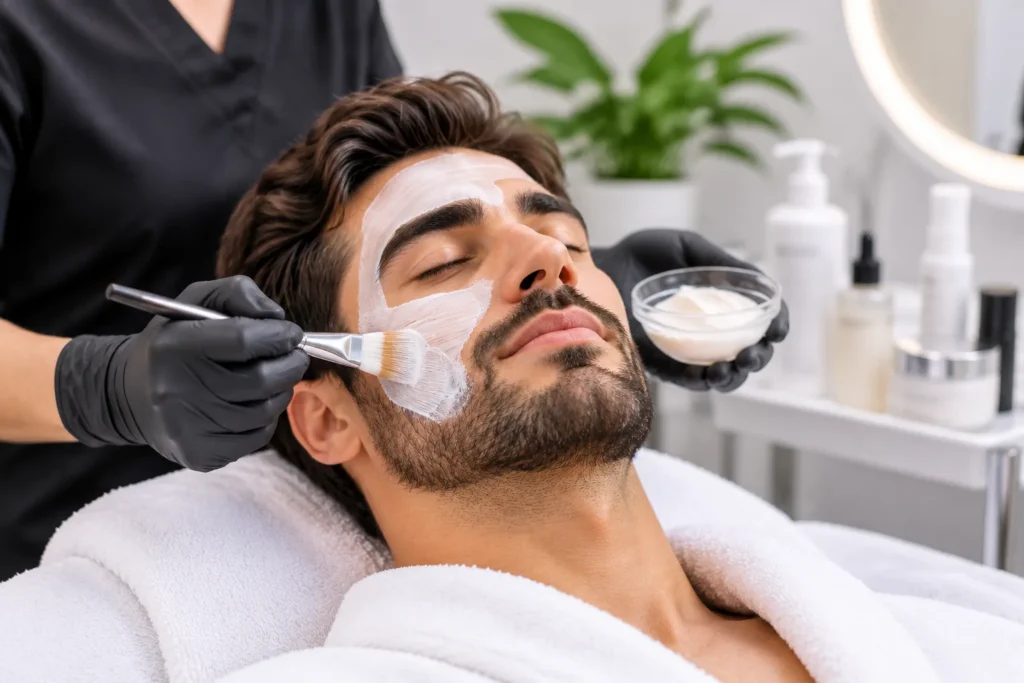
Men’s skincare is no longer limited to shaving products and basic cleansers. Many men experience concerns such as excess oil, clogged pores, acne, dryness, irritation, uneven texture, and early signs of aging. Professional facial treatments for men can help address these concerns through targeted cleansing, exfoliation, hydration, and other skin-focused procedures. However, there is no single facial that works for everyone.
The right choice depends on skin type, current concerns, sensitivity, and treatment goals. Understanding the main options makes it easier to choose a suitable service and maintain healthier-looking skin.
Why Should Men Consider Professional Facial Treatments?
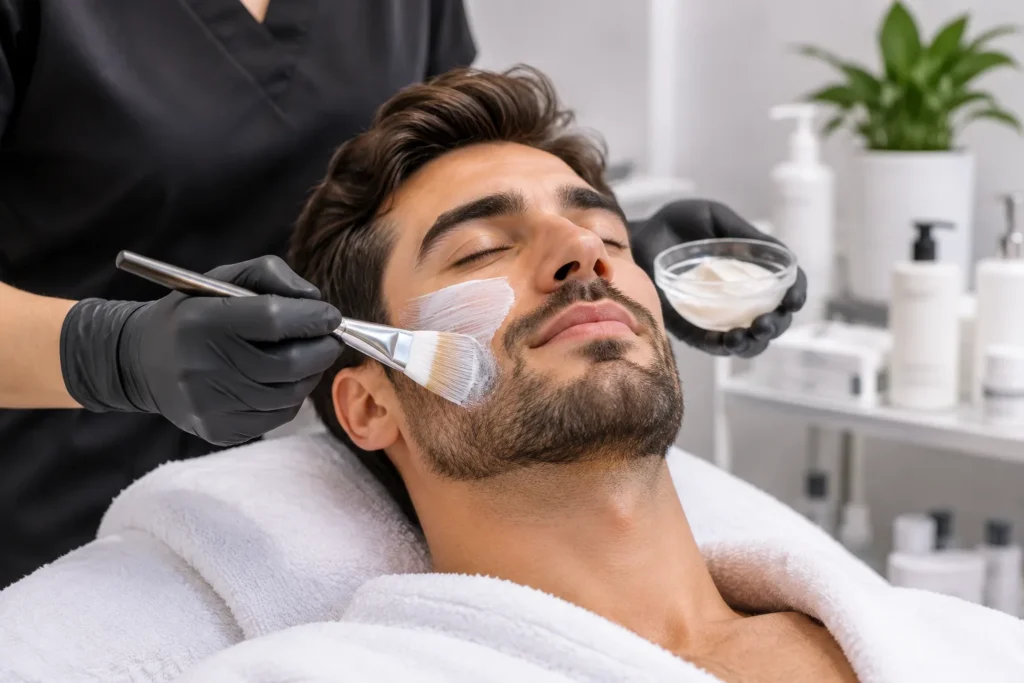
Men’s skin has some biological and practical differences that can influence skincare needs. The American Academy of Dermatology (AAD) notes that men’s skin is generally thicker than women’s, although the basic principles of effective skincare remain similar. Shaving can also contribute to irritation, razor bumps, and ingrown hairs.
These factors may make professional treatments useful for addressing specific concerns that a daily routine does not fully manage. A facial should not be considered a requirement for every man, but it can be a useful addition when selected according to individual skin needs.
How Can Facial Treatments Address Common Skin Concerns?
Professional facials typically combine cleansing, exfoliation, moisturizing, and selected techniques to address concerns such as clogged pores, dullness, and dehydration. For example, a deep-cleansing treatment may help remove surface buildup, while a hydrating facial can improve the appearance of dry or tight skin. Some treatments also include extractions performed by trained professionals to remove suitable blackheads and whiteheads.
According to the AAD, men should identify their skin type before choosing skincare products. The same principle applies to professional treatments: oily, dry, combination, and sensitive skin may require different approaches. A facial can support skin maintenance, but it should not replace medical care for persistent acne, rosacea, eczema, or other diagnosed conditions.
What Are the Best Facial Treatments for Men?
The best facial treatment depends on the result a person wants to achieve. Some services focus on cleansing and hydration, while others use exfoliation or light-based technology to address particular concerns. A treatment’s name alone does not guarantee its suitability; ingredients, intensity, provider experience, and the client’s skin condition all matter. The following options are commonly offered in professional skincare settings and can be considered by men when matched with an appropriate skin assessment.
Is a Deep Cleansing Facial Suitable for Oily Skin?
A deep cleansing facial is often considered by men who experience excess oil, clogged pores, or blackheads. It may include a gentle cleanser, exfoliation, steam or other preparation, selected extractions, and a finishing moisturizer. The aim is to remove surface impurities and improve the appearance of congested skin.
This treatment may be useful for oily or combination skin, but aggressive cleansing can cause dryness and irritation. Extractions should be performed only when appropriate and by a trained professional. Inflamed acne lesions, painful cysts, or widespread breakouts need a different approach and may require assessment by a dermatologist rather than repeated salon extractions.
Can HydraFacial Improve Hydration and Skin Texture?
HydraFacial is a non-invasive treatment that typically combines cleansing, exfoliation, extraction, and the application of selected serums. Depending on the service and products used, it may include ingredients such as hyaluronic acid and antioxidants to support hydration and improve the appearance of the skin.
It can be an option for men who want a treatment addressing several surface-level concerns in one appointment, including dullness, mild congestion, and dehydration. Cleveland Clinic describes HydraFacial as a three-in-one service that exfoliates, extracts, and infuses serums. Results and tolerability vary, so people with highly sensitive or irritated skin should discuss suitability before booking.
When Are Chemical Peels or Microdermabrasion Appropriate?
Chemical peels use carefully selected acids to exfoliate the skin. Depending on the formulation and strength, they may help improve uneven tone, rough texture, some forms of acne, and the appearance of fine lines. Microdermabrasion uses a device to exfoliate the outermost skin layer and may be considered for dullness, mild surface irregularities, or some signs of sun damage.
These treatments are not interchangeable. Peel depth affects both results and recovery time, while microdermabrasion may not be suitable for every skin condition. Cleveland Clinic explains that chemical peels vary in strength and that recovery depends on the depth of treatment. A qualified professional should assess skin sensitivity, active breakouts, recent shaving, and medical history before recommending either option.
Which Facial Treatment Is Best for Your Skin Type?
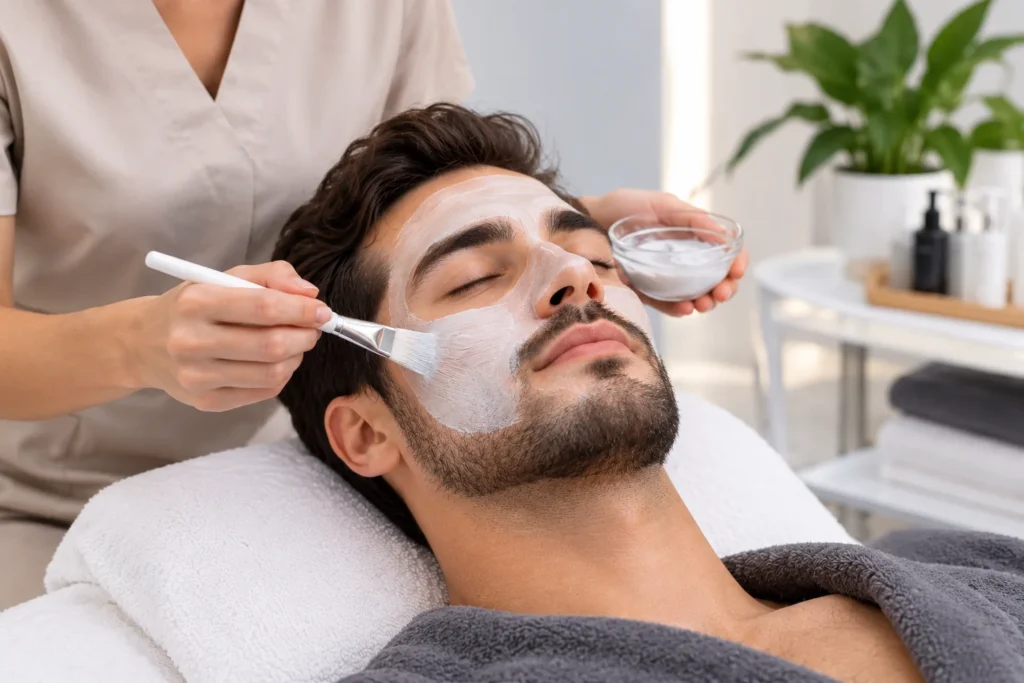
Choosing a facial based on skin type is more useful than selecting a popular treatment simply because it is trending. The same procedure may feel comfortable for one person but cause irritation for another. Men with oily skin may prioritize cleansing, while those with dryness may benefit more from hydration and barrier-supportive products. Sensitive skin generally requires a gentler approach, and concerns such as persistent acne or unexplained redness may need medical evaluation. The following comparisons can help narrow down the options before a professional consultation.
Which Facial Is Best for Oily, Dry, or Sensitive Skin?
For oily skin, a gentle deep-cleansing facial may help manage surface buildup and remove suitable comedones. Men with acne-prone skin should ask about non-comedogenic products and avoid overly harsh scrubbing. For dry or dehydrated skin, a hydrating facial with suitable moisturizers and humectants may improve comfort and reduce the appearance of tightness.
Sensitive skin needs extra caution. Fragrance-free products and gentle techniques may reduce the risk of irritation, but even mild treatments can trigger reactions in some individuals. If the skin is currently inflamed, sunburned, or affected by a condition such as eczema or rosacea, postpone cosmetic exfoliation and seek professional advice. The AAD emphasizes that there is no one-size-fits-all skincare approach for men.
Which Treatments Can Help with Dullness and Early Signs of Aging?
Men concerned about uneven texture, dullness, or fine lines may consider professionally selected exfoliating treatments, microdermabrasion, or certain chemical peels. These procedures can improve the appearance of the skin’s surface, although the degree of change depends on the treatment and the concern being addressed. They do not stop natural aging or permanently remove wrinkles.
LED light therapy may also be offered as an add-on for selected concerns. Different light wavelengths are used for different purposes, and the evidence and expected results depend on the device and treatment protocol. A professional should explain what the service can realistically achieve. Daily sunscreen and a consistent skincare routine remain essential for protecting results and limiting further sun-related skin changes.
How Should Men Choose and Prepare for a Facial Treatment?
A suitable facial starts with an assessment, not a service menu. Before booking, consider your main concern, skin sensitivity, shaving habits, current skincare products, and any relevant skin conditions. Ask the provider what the treatment includes, which products or devices will be used, whether extractions or exfoliation are involved, and what aftercare is required. A qualified provider should explain possible irritation, downtime, and realistic outcomes rather than promising perfect or permanent results.
How to Choose the Right Facial Treatment for Your Skin
- Identify your skin type: Determine whether your skin is oily, dry, combination, normal, or sensitive.
- Choose your main concern: Decide whether you want to address congestion, dryness, dullness, uneven texture, or another issue.
- Compare suitable treatments: Review the techniques, ingredients, expected results, and possible downtime.
- Discuss shaving and skin history: Tell the provider about razor bumps, recent shaving, allergies, medications, and existing skin conditions.
- Follow professional aftercare: Use recommended skincare products and avoid unnecessary exfoliation while your skin recovers.
Men with active skin infections, severe acne, open wounds, or unexplained persistent irritation should seek medical advice before a cosmetic facial. Those who shave regularly should also ask whether the timing of their shave needs to change around exfoliating treatments.
How Often Should Men Get Facial Treatments?
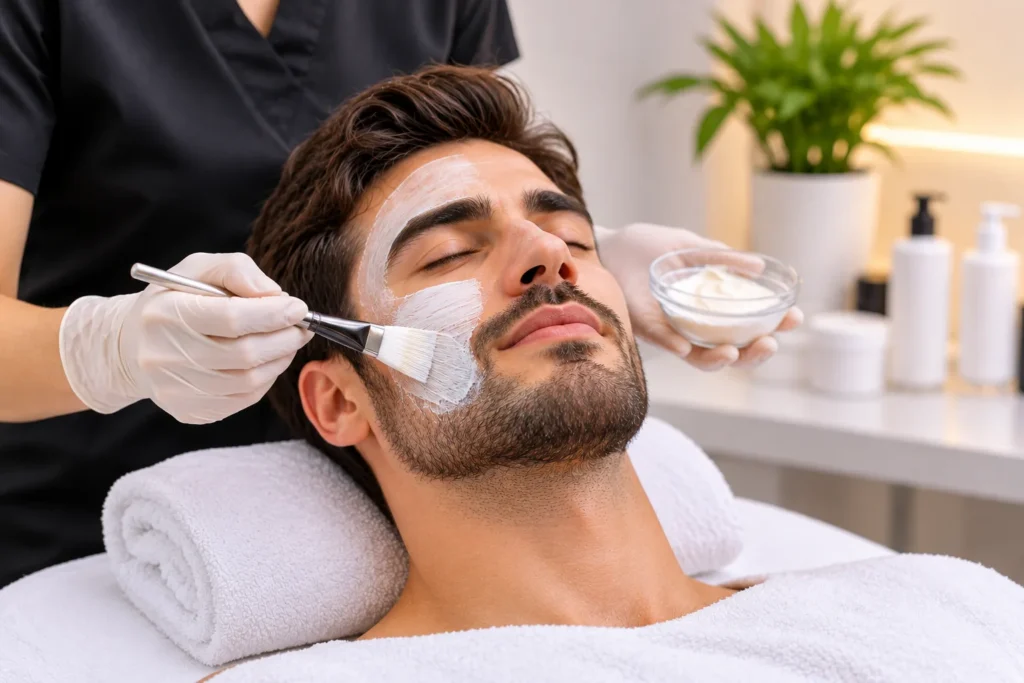
There is no universal schedule for professional facials. Frequency depends on the type of treatment, skin condition, sensitivity, and the results a person wants to maintain. A gentle maintenance facial may be suitable at different intervals from a chemical peel or another procedure that requires recovery time. Booking treatments too frequently can irritate the skin, especially when exfoliation is involved. A provider should recommend a schedule based on the treatment plan and how the skin responds, rather than applying the same interval to every client.
What Should Men Do After a Facial?
Aftercare helps protect the skin and maintain the benefits of a treatment. Follow the provider’s instructions, use a gentle cleanser, apply a suitable moisturizer, and wear broad-spectrum sunscreen with SPF 30 or higher when outdoors. Avoid adding strong exfoliants, retinoids, or other potentially irritating products immediately after a procedure unless your provider says they are appropriate.
Shaving may also need to be delayed if the skin feels sensitive or the treatment involved exfoliation. If you experience severe burning, swelling, blistering, or prolonged irritation, contact a healthcare professional. The AAD recommends daily sun protection and gentle skincare as important parts of men’s skin health.
Conclusion
The best facial treatments for men are those selected according to skin type, personal concerns, and professional assessment. Deep cleansing, HydraFacial, hydrating facials, chemical peels, and microdermabrasion each serve different purposes, so popularity should not determine the choice. Consistent home care and sun protection are also important for maintaining healthy-looking skin between appointments.
For salon professionals and men exploring professional skincare services, Salomio can be a useful starting point for discovering beauty and grooming options. Choose a qualified provider, discuss your skin concerns before treatment, and build a realistic plan that supports your skin over time.

Comments