
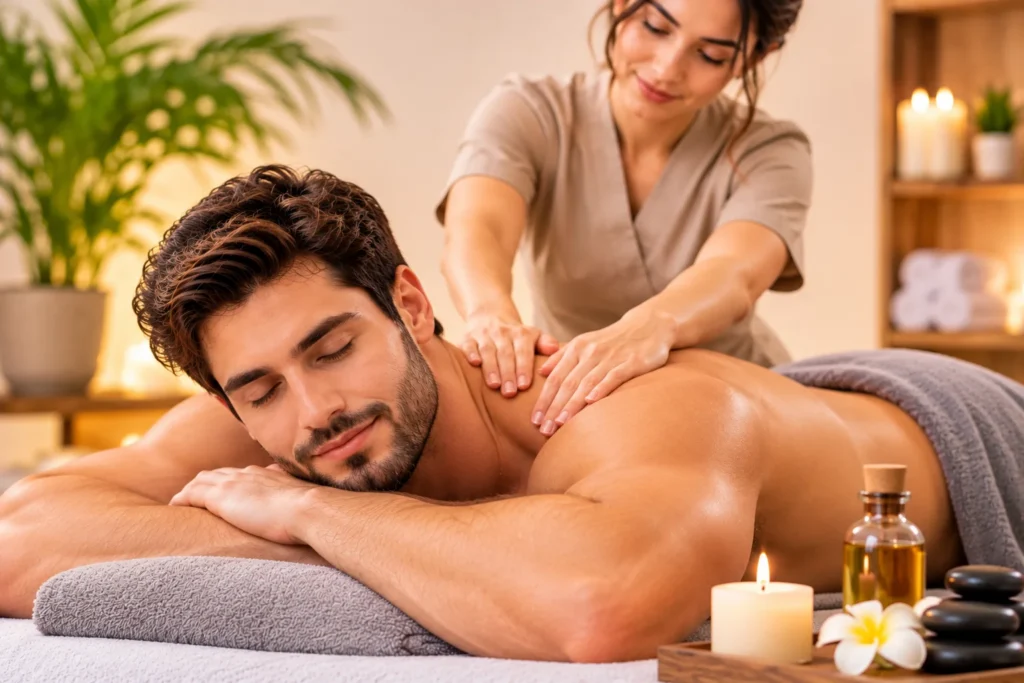
Regular body massage is often associated with relaxation, but its potential benefits extend beyond a temporary feeling of comfort. Depending on the technique and individual needs, massage may help ease muscle tension, support pain management, reduce perceived stress, and improve overall well-being. However, not every claimed benefit is equally supported by scientific research.
Understanding the health benefits of body massage requires looking at what studies actually show, how different techniques are used, and when professional guidance is necessary. For wellness professionals and clients exploring massage services through Salomio, this guide explains the potential benefits, practical considerations, and safety factors behind regular massage.
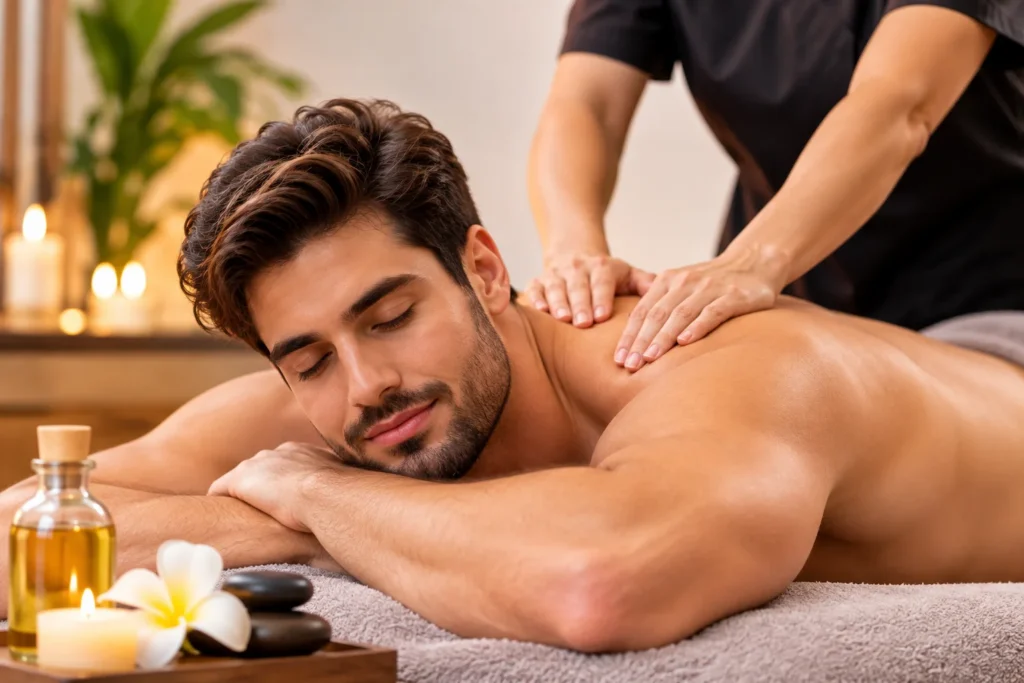
What Are the Main Health Benefits of Regular Body Massage?
Regular body massage involves manipulating muscles and other soft tissues using techniques such as kneading, stroking, and applying controlled pressure. People use massage for relaxation, comfort, and support with certain physical symptoms. Its effects can vary according to the technique, session duration, health condition, and individual response. Although massage is not a substitute for medical treatment, research suggests it may provide benefits in specific situations. Understanding these potential outcomes helps clients set realistic expectations and choose services that match their wellness goals.
How Can Massage Support Overall Physical Well-Being?
One of the main reasons people receive massage is to reduce physical tension and promote relaxation. A session may help ease tight muscles, improve comfort after demanding activities, and provide temporary relief from certain types of discomfort. These effects can be particularly relevant for people who spend long hours sitting, perform repetitive movements, or experience muscular fatigue.
Massage also offers an opportunity to pay attention to areas of tension that might otherwise be overlooked. However, it should not be described as a method that detoxifies the body, removes toxins, or prevents disease. Its value is better understood as a complementary wellness approach that may support comfort and relaxation. According to the National Center for Complementary and Integrative Health (NCCIH), massage has been studied for several types of pain, although the strength of evidence differs between conditions. NCCIH’s massage therapy review provides a useful overview.
How Does Regular Body Massage Support Physical Health?
Massage may support physical comfort by working with soft tissues, including muscles and connective tissues. Some people seek it to manage stiffness, post-exercise discomfort, or specific pain symptoms. Research has examined massage for conditions such as lower-back pain, neck discomfort, shoulder pain, and knee osteoarthritis. Results are not identical across these conditions, and benefits may be temporary. Massage should therefore be considered alongside appropriate physical activity, medical assessment, and other recommended care rather than as a universal treatment.
Can Massage Help Reduce Muscle Tension and Stiffness?
Muscle tension can develop through repetitive movements, prolonged sitting, physical activity, or stress. Massage applies pressure and movement to soft tissues, which may help some people feel less tight and more comfortable. Techniques such as Swedish massage use flowing strokes and moderate pressure, while other approaches may focus on specific areas of tension.
The experience depends on the individual’s needs and the therapist’s technique. A relaxing massage may be suitable for general tightness, whereas persistent or severe pain requires proper assessment before treatment. More pressure does not necessarily produce better results. A qualified therapist should adjust the session according to comfort, health history, and the reason for seeking massage.
Can Body Massage Help Relieve Muscle and Joint Pain?
Research suggests that massage may provide short-term relief for certain pain conditions. The NCCIH reports that studies have examined massage for lower-back pain, neck and shoulder discomfort, and knee osteoarthritis. However, evidence varies, and some studies have limitations in quality or size.
The World Health Organization’s guidance on chronic primary lower-back pain also treats massage as a possible component of care rather than a stand-alone solution, with very low certainty of evidence. This distinction matters: massage may help manage symptoms for some people, but it does not necessarily address the underlying cause of pain. Anyone experiencing persistent, worsening, unexplained, or injury-related pain should seek medical advice before relying on massage.
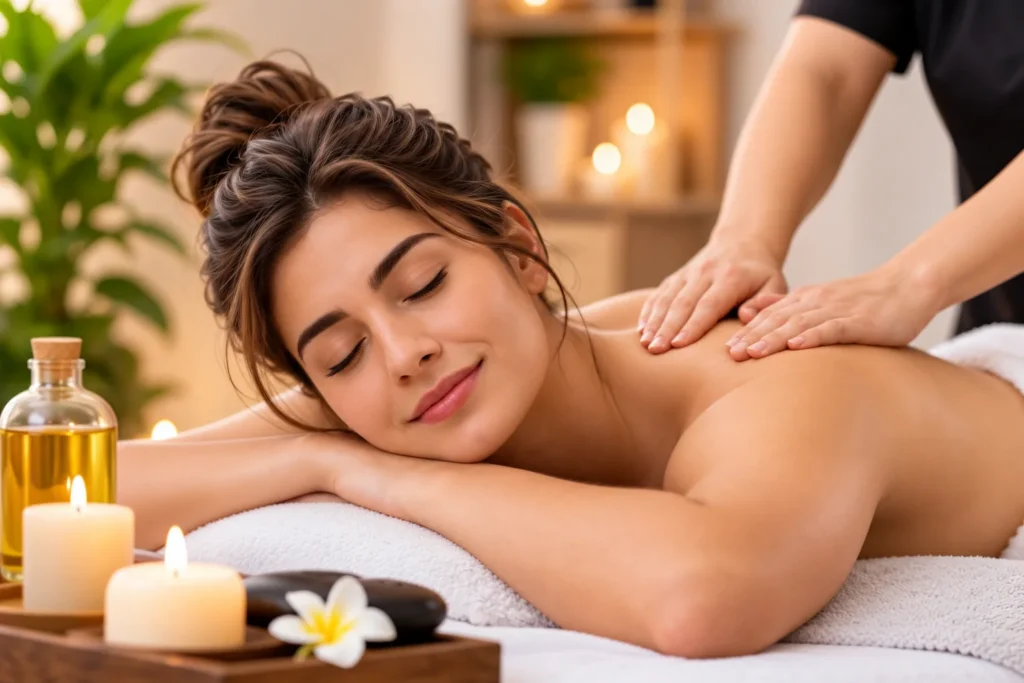
What Are the Mental and Emotional Benefits of Regular Massage?
Physical relaxation and mental well-being are closely connected. Many people choose massage because it provides a quiet environment, a break from daily demands, and an opportunity to relax. Research has explored its relationship with stress, anxiety, and sleep, although results depend on the population studied and the massage approach used. Massage should not be presented as a cure for mental health conditions. Instead, it may form one part of a broader self-care routine alongside appropriate professional support, healthy sleep habits, and other evidence-based approaches.
Can Massage Help Reduce Stress and Anxiety?
Massage may help some individuals feel calmer by combining physical relaxation, comfortable touch, and a restful environment. People often report feeling less tense after a session, and research has investigated potential effects on stress and anxiety in different groups. However, the findings do not establish that massage reliably treats anxiety disorders or produces lasting psychological changes for everyone.
The Mayo Clinic identifies stress reduction and relaxation among the potential benefits of massage therapy, while also noting that results vary according to the condition and individual concern. Its guidance states: “Massage therapy benefits vary, depending on the condition or concern, and more research is needed.” Read the Mayo Clinic massage therapy overview for further information.
Can Regular Massage Support Better Sleep?
Relaxation before bedtime may help some people prepare for sleep, particularly when physical discomfort or stress makes it difficult to unwind. Massage can be part of a calming evening routine, but evidence that regular body massage directly treats insomnia remains limited. It should not replace assessment or treatment for persistent sleep problems.
People interested in using massage as part of a sleep routine can consider scheduling sessions at a time that allows them to relax afterward. They should also maintain consistent sleep and wake times, reduce stimulating activities before bed, and create a comfortable sleeping environment. If sleep difficulties continue or affect daily functioning, a healthcare professional can help identify possible causes and appropriate treatment options.
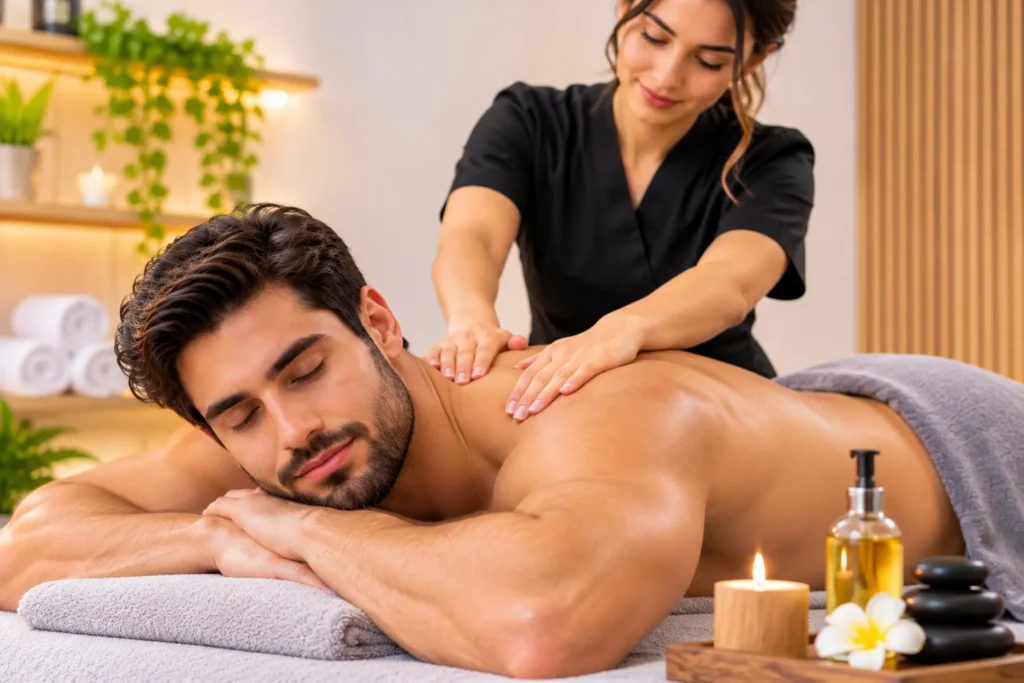
How Often Should You Get a Body Massage to Experience Its Benefits?
There is no single massage schedule that suits everyone. The appropriate frequency depends on the person’s goals, physical condition, preferred technique, response to previous sessions, and professional recommendations. Someone seeking occasional relaxation may choose massage less frequently than a person receiving supervised sessions for a specific muscular concern. More frequent treatment is not automatically more effective. A practical routine should be comfortable, affordable, and consistent with the individual’s health needs rather than based on a universal weekly or monthly rule.
Which Type of Massage Is Suitable for Different Health Goals?
Different massage techniques serve different purposes, and choosing the right one can make a session more appropriate and comfortable.
| Massage Type | Main Focus | Potential Benefit |
|---|---|---|
| Swedish massage | Gentle to moderate full-body techniques | Relaxation and reduced perceived tension |
| Deep tissue massage | Focused pressure on deeper soft tissues | May help with specific muscular tightness |
| Sports massage | Muscles affected by athletic activity | Support for managing exercise-related tension |
| Relaxation massage | Comfortable, flowing movements | General comfort and stress reduction |
| Therapeutic massage | Techniques selected for an identified concern | Complementary support for symptom management |
A therapist should explain what a technique involves and whether it is appropriate for the client’s needs. Deep tissue massage, for example, is not necessarily better than gentler methods and may be unsuitable for some people.
How Can You Build a Safe and Consistent Massage Routine?
Use these practical steps to make massage part of a considered wellness routine:
- Identify your goal:
Decide whether you want relaxation, help with muscular tension, or support for a specific discomfort.
- Choose an appropriate technique:
Discuss your preferences and needs with a qualified massage therapist.
- Share your health history:
Mention injuries, medical conditions, medications, allergies, and recent procedures.
- Agree on pressure and comfort:
Tell the therapist if the pressure feels uncomfortable or painful.
- Evaluate your response:
Notice whether the session improves comfort and whether any soreness or unwanted symptoms occur.
- Review the schedule:
Adjust the frequency according to your response and, when necessary, professional advice.
Are There Any Risks or Precautions to Consider Before Getting a Massage?
Massage is generally considered low risk when performed appropriately by a trained professional, but it is not suitable for every person or situation. Pressure, technique, and health history all influence safety. Mild temporary soreness may occur, while serious complications are rare but have been reported. Clients should communicate openly before and during a session, and therapists should avoid making medical claims beyond their qualifications. A responsible service begins with an appropriate consultation and a clear understanding of the client’s needs.
Who Should Consult a Healthcare Professional Before Massage?
People with certain health conditions may need to avoid massage temporarily, modify the technique, or obtain medical advice before booking. These include individuals with a recent blood clot, bleeding disorders, severe osteoporosis, recent surgery, acute injuries, open wounds, or certain cardiovascular conditions. People taking blood-thinning medication should also discuss potential risks with their healthcare provider.
Pregnant clients should choose a therapist trained in pregnancy massage and follow appropriate medical guidance. Massage should not be used to delay diagnosis or treatment of unexplained symptoms. The NCCIH advises: “Don’t use massage therapy to postpone seeing a health care provider about a medical problem.” Its official safety guidance explains why medical assessment matters.
Conclusion
The health benefits of body massage may include reduced muscle tension, temporary relief from certain types of pain, relaxation, and support for general well-being. However, scientific evidence varies, and massage is not a cure or replacement for medical treatment. Choosing an appropriate technique, communicating health concerns, and working with a qualified therapist are essential for a safe experience.
For wellness professionals and clients, informed decisions help make massage services more effective and responsible. Explore more wellness and body-care guidance on Salomio, and use reliable information to choose services that match your individual needs.



Comments