
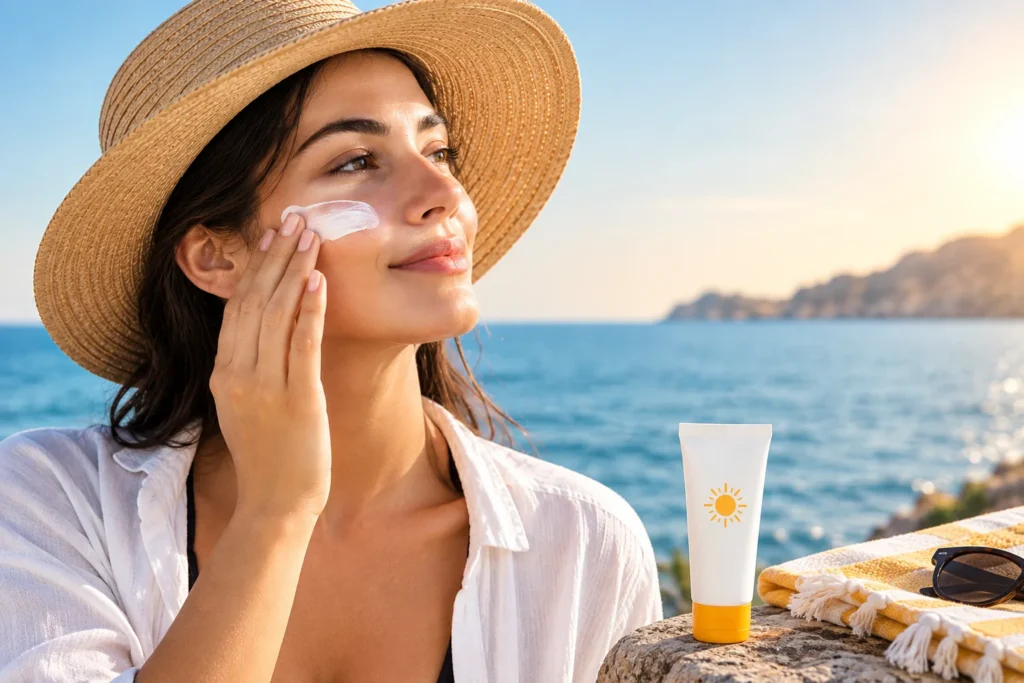
Daily sun protection is one of the most important habits in a consistent skincare routine. Ultraviolet (UV) radiation can damage skin cells, contribute to premature skin aging, and increase the risk of skin cancer. These effects are not limited to beach holidays or hot summer days.
For skincare professionals, salon owners, and beauty retailers, understanding sun protection is also essential for providing responsible skincare guidance. At Salomio, practical beauty education starts with evidence-based information that helps people make informed choices. By understanding how UV exposure affects the skin and how sunscreen should be used, anyone can build a more effective daily protection routine.
Why Is Daily Sun Protection Important for Healthy Skin?
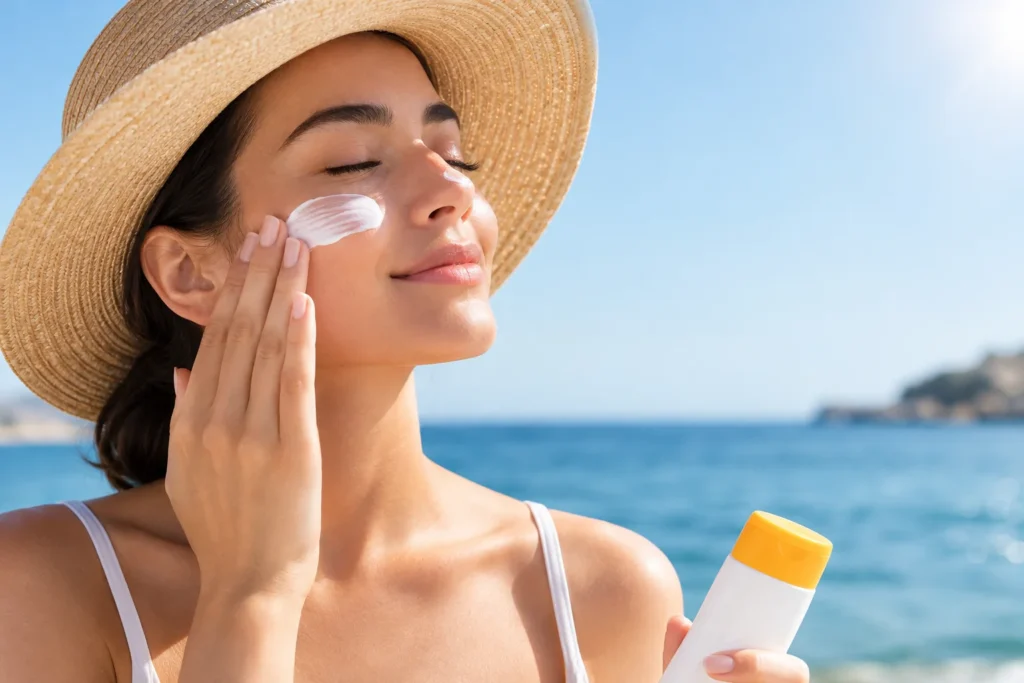
Daily sun protection helps reduce the effects of ultraviolet radiation, which can harm the skin over time. Although sunlight supports vitamin D production, excessive UV exposure can cause sunburn, pigmentation changes, premature aging, and skin cancer. The World Health Organization (WHO) identifies UV radiation as a carcinogenic exposure and recommends protective measures when the UV Index reaches 3 or above. These risks make sun protection relevant to everyday skincare, not just special occasions. A consistent routine combines sunscreen with protective clothing, shade, and sensible decisions about time spent outdoors.
How Does Sun Exposure Affect the Skin Over Time?
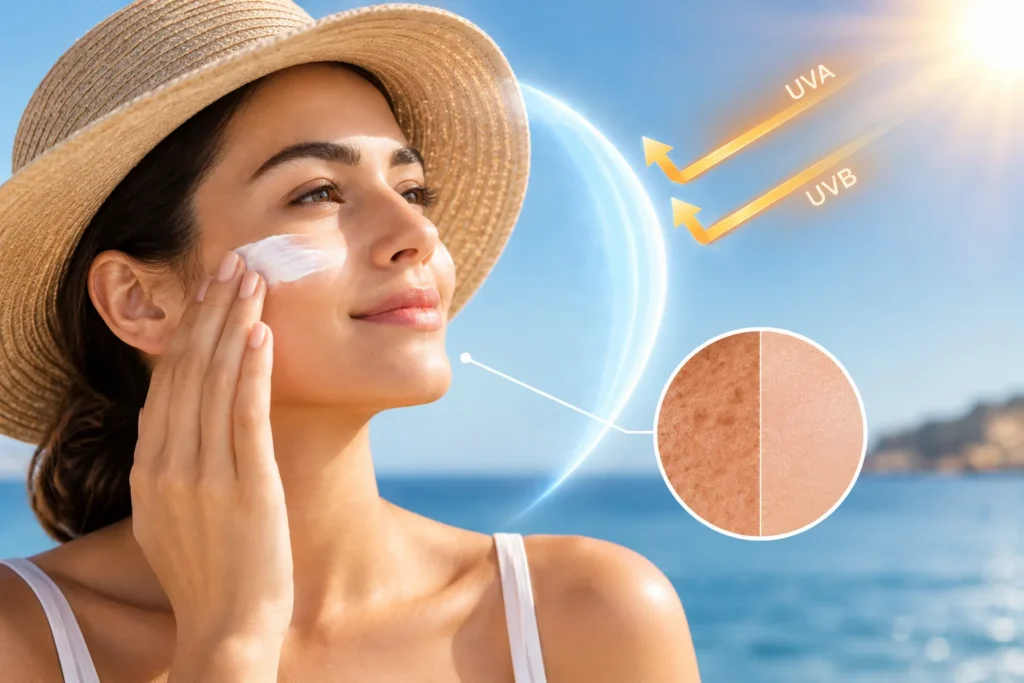
UV radiation affects the skin in different ways depending on the wavelength and intensity of exposure. UVA rays penetrate deeper into the skin and contribute to photoaging, including wrinkles, reduced elasticity, and uneven pigmentation. UVB rays are strongly associated with sunburn and also contribute to skin cancer risk.
Repeated exposure can gradually affect the skin even when a person does not experience obvious sunburn. Visible changes may include dark spots, fine lines, rough texture, and uneven skin tone. However, the extent of damage varies according to individual characteristics and exposure history. Using sun protection consistently can reduce avoidable exposure and support healthier-looking skin over the long term.
Can Daily Sun Protection Help Prevent Premature Aging?
Sun protection is an important part of preventing photoaging, the skin changes associated with repeated UV exposure. Sunscreen that protects against both UVA and UVB rays can help reduce the risk of sun-related skin damage, including premature wrinkles and age spots. The American Academy of Dermatology (AAD) explains that broad-spectrum sunscreen helps protect against sunburn, skin cancer, and early skin aging.
The AAD also recommends combining sunscreen with shade and protective clothing rather than relying on a single product. This approach is especially relevant for beauty professionals advising clients who use exfoliating products or other active skincare ingredients. A consistent routine supports skin protection, although sunscreen cannot reverse all existing damage or guarantee that aging-related changes will not occur.
How Does Daily Sun Protection Reduce UV-Related Skin Damage?
Understanding UV radiation helps explain why sunscreen selection matters. The two main types of solar UV radiation affecting skin are UVA and UVB. They have different effects, but both are relevant to skin health. Choosing broad-spectrum sunscreen helps protect against both, while checking the UV Index helps people make better decisions about outdoor exposure. Daily protection is particularly important for exposed areas such as the face, ears, neck, hands, and lips. A comprehensive approach also includes protective clothing, sunglasses, and shade when UV levels are high.
What Is the Difference Between UVA and UVB Rays?
UVA rays penetrate more deeply into the skin and contribute to premature aging and changes in pigmentation. UVB rays primarily affect the outer skin layers and are a major cause of sunburn. Both types can contribute to skin damage, which is why a sunscreen’s SPF number alone does not describe its entire protection profile.
SPF primarily indicates protection against sunburn under standardized testing conditions. A broad-spectrum label indicates protection against UVA and UVB radiation. The AAD recommends sunscreen with SPF 30 or higher, broad-spectrum protection, and water resistance. Selecting a product with these features helps establish a sound baseline for everyday protection, although correct application remains essential.
Why Should You Check the UV Index?
The UV Index indicates the strength of ultraviolet radiation at a particular location and time. It helps people understand when protective measures are especially important. According to the WHO’s UV Index guidance, sun protection measures are recommended when the index reaches 3 or above.
Checking the daily forecast can help clients plan outdoor activities, choose appropriate clothing, and remember sunscreen application. UV exposure can also be intensified by reflective surfaces such as water, sand, and snow. Shade reduces direct exposure but does not eliminate all UV radiation. For this reason, the UV Index should guide protection decisions rather than replace a consistent awareness of sun exposure.
Do You Need Sun Protection Every Day, Even in Winter or on Cloudy Days?
Sun protection remains relevant throughout the year because UV radiation is not determined by temperature alone. Cool weather, cloud cover, and the absence of direct sunshine do not necessarily mean that UV exposure is negligible. The amount of radiation reaching the skin varies according to location, season, time of day, altitude, and surrounding surfaces. For people who spend time outdoors regularly, a daily routine can make protection more consistent. However, the specific precautions needed should reflect the local UV Index, exposure duration, and individual circumstances.
Is Sunscreen Necessary on Cloudy Days?
Yes, sunscreen can still be important on cloudy days because clouds do not block all UV radiation. The Centers for Disease Control and Prevention (CDC) confirms that UV rays can reach the skin on cloudy and cool days. People who skip sunscreen simply because the sky looks overcast may underestimate their exposure.
For everyday use, select a broad-spectrum product with SPF 30 or higher and apply it to exposed skin according to the label. Remember areas that are commonly missed, including the ears, neck, and backs of the hands. Sunscreen should be combined with shade and suitable clothing when needed. The aim is to reduce exposure consistently, not to assume that cloud cover provides complete protection.
Does Sun Protection Matter During Winter?
Winter does not automatically eliminate UV exposure. The intensity varies by location and environmental conditions, and snow can reflect UV radiation. People participating in outdoor winter activities may therefore need careful protection even when temperatures are low.
A practical routine includes applying sunscreen to exposed skin, wearing suitable clothing, and using UV-protective sunglasses. People who spend long periods outdoors should pay particular attention to the UV Index and reapply sunscreen as directed. For beauty professionals, this is an opportunity to explain that skincare routines should adapt to environmental conditions rather than follow temperature alone.
How Can You Build an Effective Daily Sun Protection Routine?
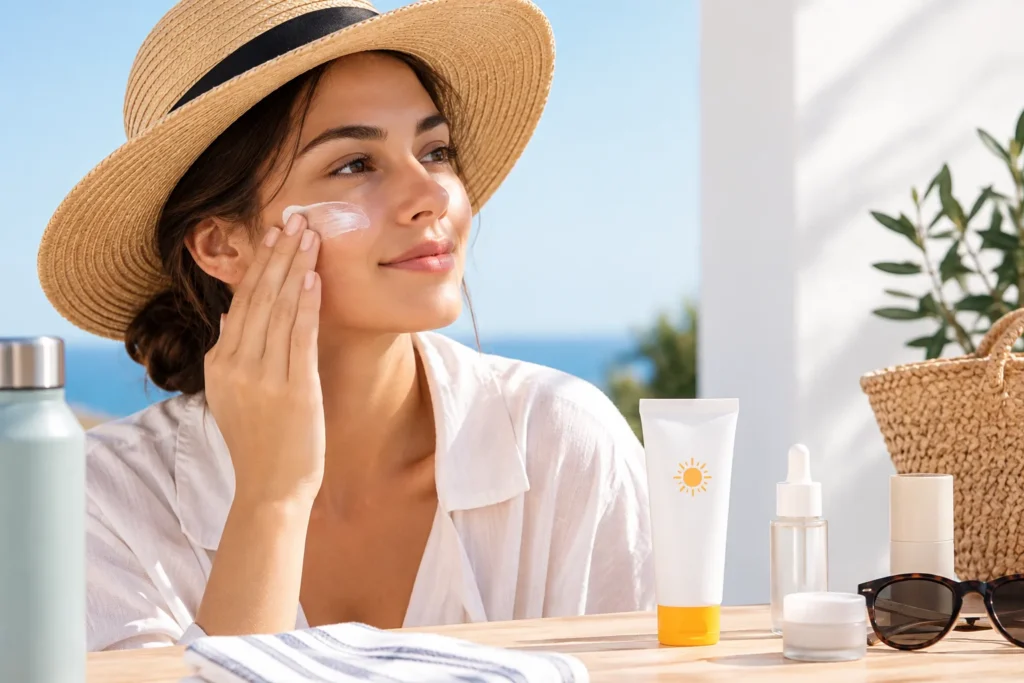
An effective routine should be straightforward enough to maintain consistently. Start by choosing an appropriate sunscreen, applying it correctly before outdoor exposure, and planning when to reapply it. Then add other protective measures, including shade and clothing. For skincare professionals, recommending a realistic routine is often more useful than suggesting numerous products. The best approach is one that clients understand, can follow, and can adjust to their daily activities, skin needs, and local UV conditions.
How Should You Apply and Reapply Sunscreen Correctly?
Follow this simple how-to routine for everyday sun protection:
- Choose the right product. Look for broad-spectrum protection, SPF 30 or higher, and water resistance if you expect to sweat or swim.
- Apply before going outdoors. Follow the product label; the AAD recommends applying sunscreen approximately 15 minutes before outdoor exposure.
- Cover exposed skin. Include the face, ears, neck, hands, and other areas not covered by clothing. Use an appropriate SPF lip balm for the lips.
- Use enough product. Applying too little can substantially reduce the protection achieved compared with the labeled SPF.
- Reapply regularly. When outdoors, reapply at least every two hours and after swimming, sweating, or towel drying, following the product’s directions.
These recommendations are based on the AAD’s sunscreen application guidance. Sunscreen is not a license to stay in the sun longer. Seek shade and use protective clothing as additional measures.
What Other Habits Improve Daily Sun Protection?
Sunscreen works best as part of a broader protection strategy. Wear lightweight clothing that covers exposed skin, choose a wide-brimmed hat, and use sunglasses that provide UV protection. When possible, seek shade during periods of stronger UV radiation and check the local UV Index before extended outdoor activities.
It is also useful to make sunscreen part of an existing morning skincare routine so that application becomes easier to remember. Keep the product accessible and check its expiry date and storage instructions. Beauty professionals should avoid promising complete protection or guaranteed prevention of skin problems. Clear, evidence-based advice helps clients understand both the benefits and the limitations of skincare products.
How Can You Choose the Right Sunscreen for Daily Use?
The right sunscreen is one that offers appropriate protection and can be applied consistently. Texture, finish, skin sensitivity, and compatibility with other skincare products can influence whether a person uses it regularly. A product that feels comfortable may be easier to incorporate into a morning routine, but cosmetic appeal should not replace protection requirements. Salon professionals and beauty retailers should explain product labels accurately and help customers compare features without making unsupported claims about specific ingredients or brands.
Which Sunscreen Features Should You Look For?
Use the following table to compare the main features when choosing sunscreen.
Essential Features for Daily Sun Protection
| Feature | What It Means | Why It Matters |
|---|---|---|
| SPF 30 or higher | Indicates the level of protection against sunburn under testing conditions | Helps reduce UVB-related exposure |
| Broad-spectrum | Protects against UVA and UVB rays | Addresses more than sunburn alone |
| Water-resistant | Maintains tested protection for a specified period during water exposure | Useful for swimming or sweating |
| Suitable formula | Matches your skin preferences and sensitivities | Supports consistent daily use |
| Clear application directions | Explains how much to apply and when to reapply | Helps achieve the intended protection |
For oily or acne-prone skin, a product labeled non-comedogenic may be worth considering. People with sensitive skin can look for suitable fragrance-free options and discontinue a product that causes persistent irritation. No single formula is ideal for everyone, and sunscreen should be selected according to both protection needs and personal tolerance.
Conclusion
Daily sun protection is a practical, evidence-based habit that helps reduce UV-related skin damage and supports long-term skin health. Choosing broad-spectrum SPF 30 or higher, applying enough product, reapplying correctly, and combining sunscreen with shade and protective clothing are the foundations of a reliable routine.
For salon owners, skincare specialists, and beauty retailers, accurate education helps customers make better-informed decisions without unrealistic promises. Explore more professional skincare guidance with Salomio and make evidence-based sun protection part of everyday beauty care.



Comments