
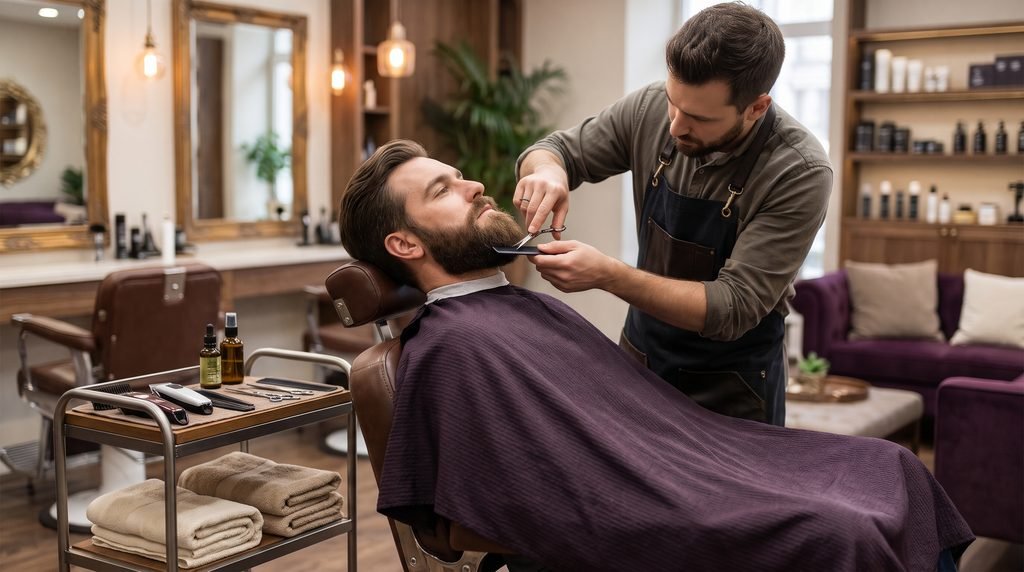
Professional Beard Grooming helps create a neat outline, define facial hair, and maintain a style that complements your face shape and personal preferences. Whether you prefer short stubble, a sculpted beard, or a fuller look, thoughtful shaping can make facial hair appear more intentional and well maintained. As summer transitions into fall, it is a good time to review your grooming routine and prepare for changes in your style or daily habits. At Salomio, beard shaping should focus on personalised styling, careful trimming, clean tools, and practical advice for maintaining your chosen look between appointments.
Listen
What Is Professional Beard Grooming?
Beard shaping is a grooming service that trims facial hair, refines its outline, and creates a balanced appearance. Depending on the requested style, a barber may adjust the cheek line, neckline, moustache, sideburns, and overall length. The goal is not to make every beard look the same but to create a shape that works with natural growth, facial proportions, and individual preferences.
How Professional Beard Grooming Creates a Defined Shape
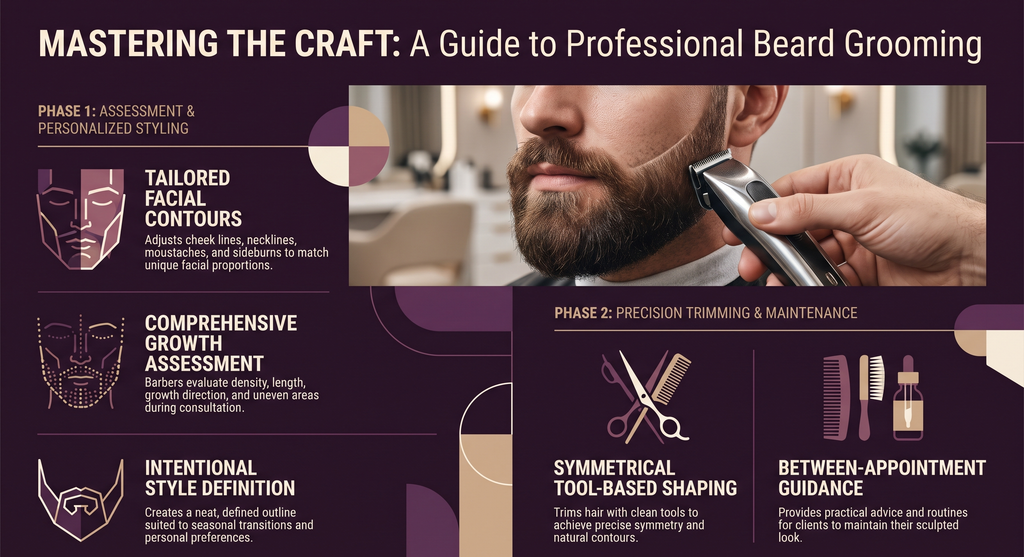
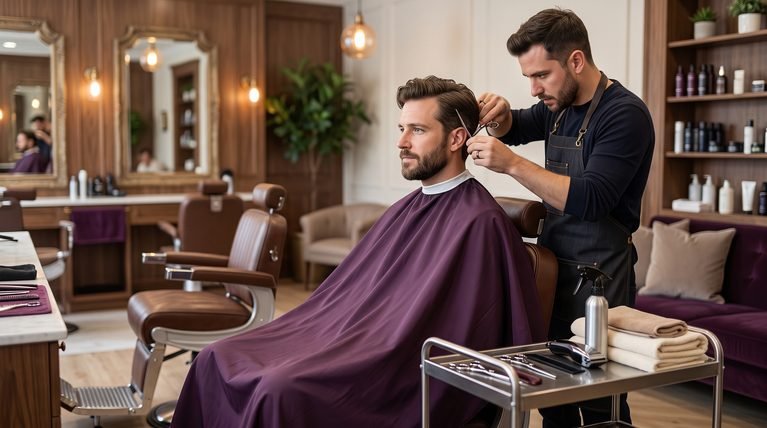
A barber begins by assessing beard density, growth direction, length, and areas where hair grows unevenly. The beard is then trimmed and shaped using suitable tools, with attention to symmetry and natural contours. Clean lines can make a style look sharper, but the outline should still suit the person’s face and growth pattern. A good consultation helps establish how much length to remove before trimming begins.
Choosing a Style That Matches Your Features
Some people prefer a short boxed beard with defined edges, while others choose a rounded shape, a longer full beard, or a close-cropped style. Face shape can offer a useful starting point, but it should not dictate every decision. Beard density, hair texture, maintenance preferences, and personal taste matter just as much. A barber can recommend proportions while allowing room for the style you actually want.
What Are the Benefits of Professional Beard Grooming?
A well-maintained beard can complement your hairstyle and overall appearance. Professional shaping may also save time when you are trying to maintain consistent lines at home. The result depends on your natural growth, the selected style, and how you care for your beard after the appointment.
Improving Outline and Proportion with Professional Beard Grooming
Careful trimming can help create a clearer cheek line, a tidy neckline, and a more even-looking length. Adjusting the moustache and sideburns can also help connect the beard to the rest of your hairstyle. These details make the overall appearance feel coordinated without requiring a dramatic change. If your beard has naturally sparse areas, a suitable style can work with them rather than trying to remove every visible difference.
Maintaining a Neat Look Between Appointments
Once the main shape is established, simple maintenance can help preserve its appearance. Regularly washing the beard, combing it gently, and trimming only obvious stray hairs can keep it looking tidy. Avoid repeatedly cutting the outline if you are unsure of the original shape, as small adjustments can gradually change the balance. Your barber can suggest a maintenance interval based on how quickly your facial hair grows and how defined you prefer the edges.
Which Beard Styles Can You Choose?
There is no single ideal beard style for everyone. The best option depends on natural hair growth, face proportions, lifestyle, and the amount of maintenance you are willing to do. Bring a reference photo to your appointment if you have a particular look in mind, and discuss how it might translate to your own beard.
Short and Structured Styles
Short boxed beards and carefully maintained stubble can create a clean, understated appearance. These styles may suit people who prefer a defined outline without keeping much length. Because short styles make the cheek and neckline more visible, regular touch-ups may be needed to preserve their shape. If your skin is prone to shaving irritation, discuss a trimming approach that minimises close shaving.
Full and Longer Beard Styles
A fuller beard can be shaped by controlling bulk, tidying the edges, and maintaining a balanced silhouette. Longer facial hair may need regular combing and conditioning to reduce tangling and help distribute grooming products. The aim is to preserve the chosen length while removing uneven ends where needed. Your barber should explain how much trimming is necessary so that the result does not become shorter than you intended.
How Does Professional Beard Grooming Compare with Home Trimming?
Professional shaping and home maintenance can work well together. A barber has the experience and tools to establish a style, while home trimming helps manage stray hairs as the beard grows. The right choice depends on the complexity of your preferred look, your confidence with grooming tools, and how precise you want the outline to remain.
When Professional Beard Grooming Is Worth Considering
A professional appointment may be especially useful when you are trying a new style, correcting an uneven outline, or growing a beard from a shorter length. A barber can assess the growth pattern and remove hair gradually to avoid unnecessary changes. It is also an opportunity to ask about suitable tools, beard products, and how to maintain the shape at home.
Comparing Salon Shaping with Home Maintenance
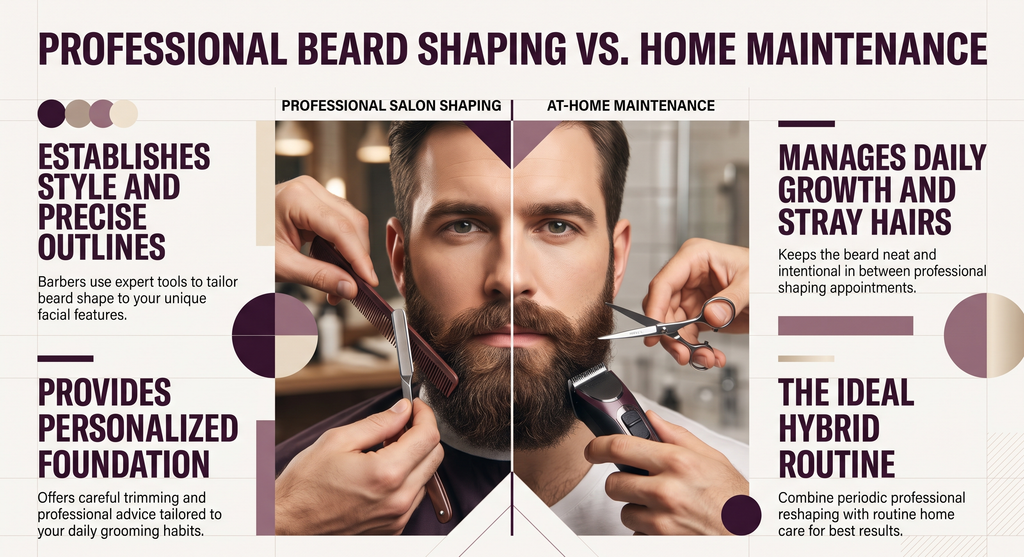
Use this comparison to decide how each option may fit into your routine. Many people benefit from professional shaping followed by simple maintenance at home rather than attempting a complete reshaping every time.
| Feature | Professional shaping | Home maintenance |
|---|---|---|
| Main purpose | Establishes or refines the overall beard shape | Maintains length and tidies minor stray hairs |
| Tools and technique | Barber-selected tools and a planned outline | Personal trimmer, scissors, or comb used carefully |
| Best for | New styles, detailed outlines, or uneven shaping | Routine upkeep between appointments |
| Common risk | The chosen style may not match expectations without consultation | Removing too much hair or creating uneven lines |
| Useful approach | Explain the desired length and shape before trimming | Make small adjustments and avoid changing the outline impulsively |
How Should You Prepare for a Beard-Shaping Appointment?
A little preparation helps the barber understand your preferences and work with your natural growth. You do not need to trim the beard yourself before the appointment unless the salon specifically asks you to do so. Arriving with enough length for the barber to assess the shape can be particularly helpful if you are considering a new style.
Discussing Your Preferred Shape and Length
Before the service begins, explain whether you want a subtle tidy-up or a noticeable change. Reference photos can help communicate the desired cheek line, neckline, moustache length, and overall silhouette. Tell the barber which parts of your beard you want to keep longer and whether you have any concerns about sparse growth or skin sensitivity. Agreeing on the plan first helps prevent misunderstandings.
Understanding the Trimming Process
The barber may comb the beard, establish guide lengths, trim bulk, refine the edges, and tidy the moustache. Depending on the service, a trimmer, scissors, or razor may be used. Ask for clarification if you are unsure how much hair will be removed. The process should be controlled and comfortable, with clean tools and appropriate hygiene practices throughout the appointment.
How Can You Maintain Professional Beard Grooming Results in Fall?
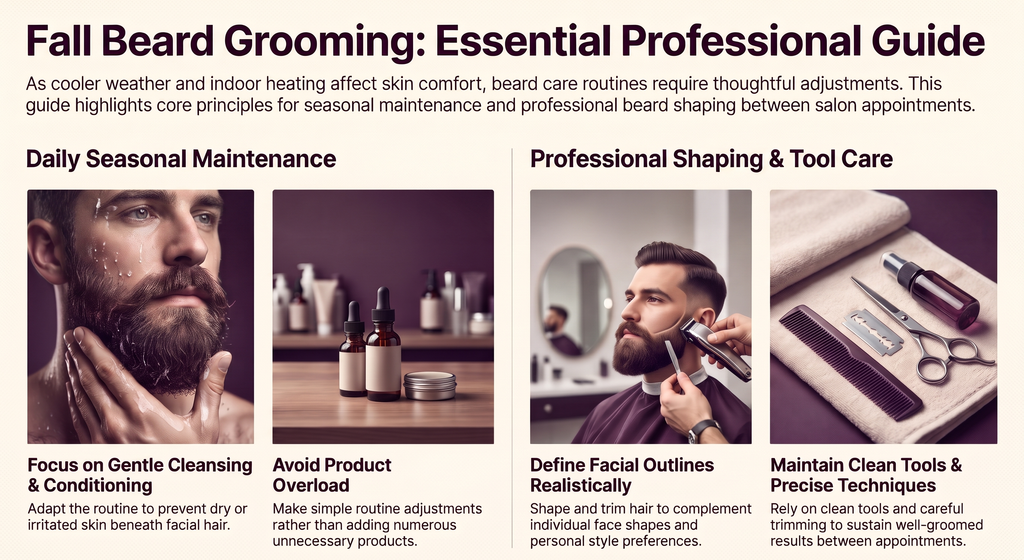
As summer transitions into fall, your beard-care routine may need small adjustments if the skin beneath your facial hair feels dry or irritated. Cooler weather in some climates and indoor heating can affect skin comfort, but seasonal changes vary by location. Rather than adding numerous products, focus on gentle cleansing, suitable conditioning, and careful trimming.
Keeping Facial Hair Clean and Comfortable
A gentle cleanser suited to your skin can remove sweat, oil, and everyday residue without the harshness of unsuitable products. Rinse thoroughly and pat dry rather than rubbing the beard aggressively with a towel. Read the AAD’s beard-care guidance for more details.
“Wash your face and beard every day.”
The American Academy of Dermatology
Supporting Your Style with Professional Beard Grooming
“the skin under your beard still needs to be washed on a daily basis.”
Jennifer Lucas, MD, a dermatologist at Cleveland Clinic
Use a beard comb to detangle facial hair and distribute a suitable conditioner or beard oil when needed. Apply products sparingly, especially if your skin is oily or prone to blemishes. Trim stray hairs carefully, but avoid repeated close shaving if it tends to cause irritation or ingrown hairs. Her advice reinforces the importance of caring for the skin as well as the hair. See Cleveland Clinic’s beard-care tips.
- Wash your beard and the skin beneath it with a gentle cleanser suited to your skin.
- Use a comb and a small amount of suitable conditioning product to manage tangles and dryness.
- Keep trimmers, scissors, and other grooming tools clean, and store them dry.
- Trim gradually and seek advice if shaving causes recurring irritation, ingrown hairs, or painful bumps.
Conclusion
Professional Beard Grooming can help you maintain a defined, balanced beard that reflects your personal style. The best results come from clear communication with your barber, careful shaping, clean tools, and a routine that keeps both facial hair and underlying skin comfortable. As fall begins, review your maintenance habits without assuming you need more products or more frequent trimming. If you are considering beard shaping at Salomio, discuss your preferred length, outline, and upkeep needs before the service so the approach can be tailored to you.
Keep Your Routine Simple and Consistent
Gentle cleansing, suitable conditioning, and occasional careful trimming are often enough to maintain a neat appearance between appointments. Adjust your routine when your skin or beard needs change, and avoid aggressive techniques that cause discomfort.
Ask for Advice When Your Skin Needs Attention
If you notice persistent redness, painful bumps, unusual hair loss, or a changing skin lesion beneath your beard, seek advice from a qualified healthcare professional. A barber can help with styling, but ongoing skin or hair concerns may need medical assessment.


Comments