
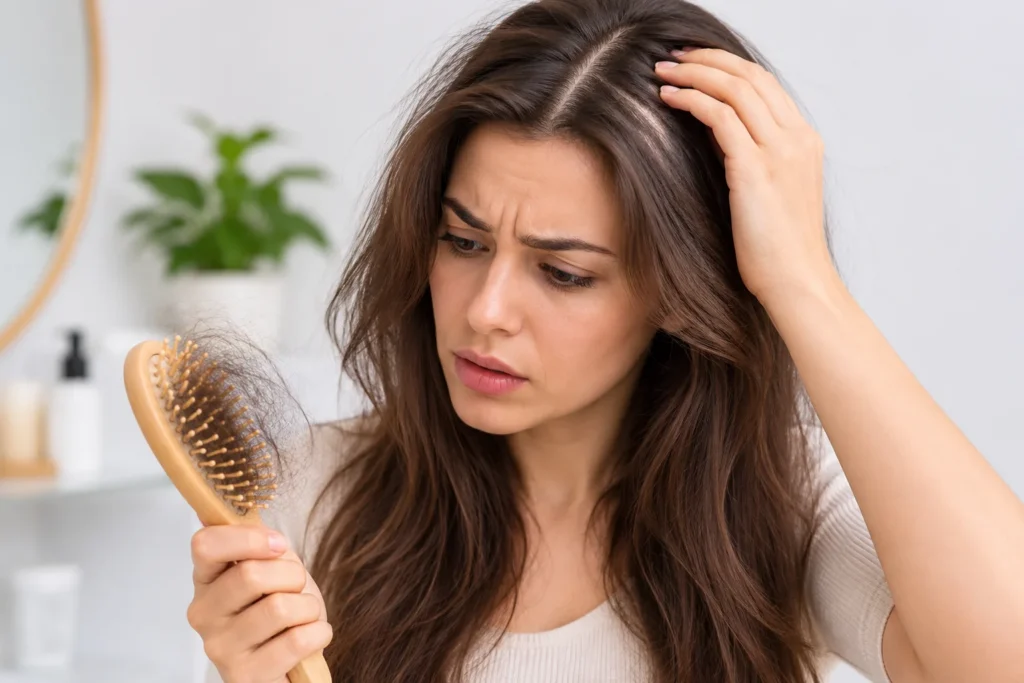
Hair thinning can affect both men and women, gradually changing hair density, volume, and overall appearance. It may develop because of genetics, hormonal changes, nutritional deficiencies, medical conditions, or damaging hair care habits. Understanding the cause is essential before choosing a hair thinning treatment, since different types of hair loss require different approaches.
A suitable combination of professional assessment and daily hair care can help manage the condition and protect existing hair. For hairdressers, salon owners, and hair care professionals at Salomio, understanding these differences also supports more responsible client guidance and realistic expectations.
What Causes Hair Thinning in Men and Women?
Hair thinning can result from changes in the hair growth cycle, reduced hair follicle activity, or damage to the hair shaft. Some causes develop gradually, while others lead to noticeable shedding over a relatively short period. Genetics and hormonal changes are common factors, but stress, illness, nutritional deficiencies, and certain hair care practices may also contribute. Identifying the underlying cause is important because a treatment that works for hereditary hair loss may not help someone experiencing temporary shedding or hair breakage.
How Do Genetics and Hormonal Changes Affect Hair Density?
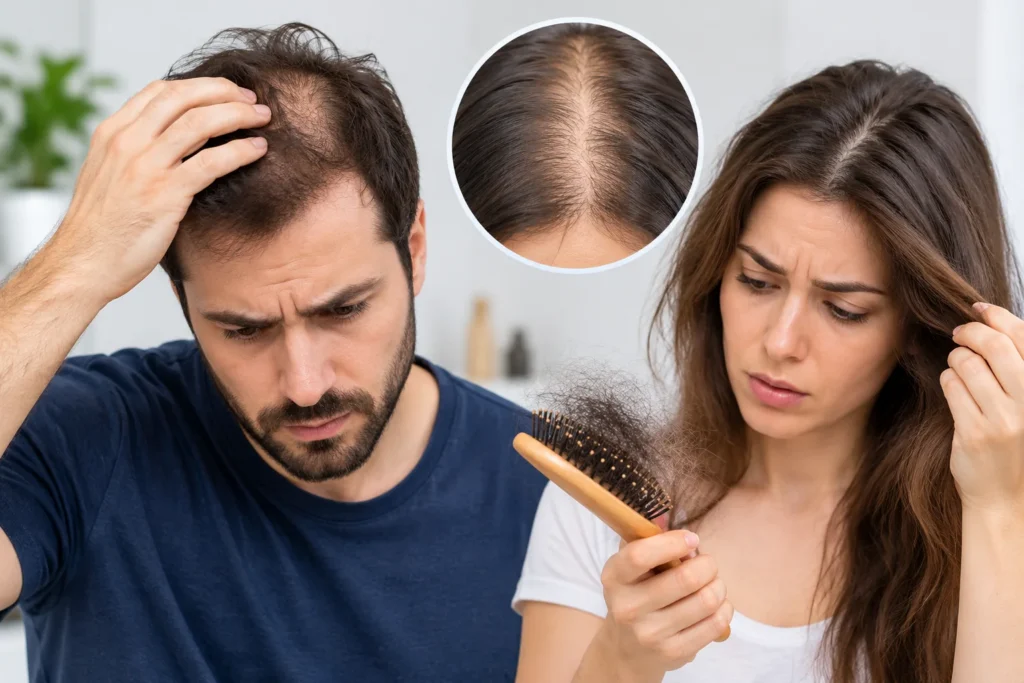
Genetic hair loss, also known as androgenetic alopecia, is a common cause of gradual thinning. It can affect men and women, although the pattern often differs. Men may notice a receding hairline or thinning around the crown, while women commonly experience reduced density around the central parting.
Hormonal changes can also influence hair growth. Pregnancy, menopause, certain hormonal conditions, and changes in thyroid function may contribute to hair shedding or changes in density. Because several conditions can produce similar symptoms, persistent thinning should be assessed by a dermatologist rather than attributed to genetics without examination.
Can Stress, Illness, and Nutritional Deficiencies Cause Hair Thinning?
Physical or emotional stress can disrupt the hair growth cycle. After a major illness, surgery, significant weight loss, or stressful event, some people develop telogen effluvium, a condition that causes increased shedding. This type of hair loss is often temporary, although recovery depends on the underlying trigger.
Nutritional deficiencies, particularly inadequate iron or protein intake, may also affect hair health. However, taking supplements without confirming a deficiency is not a reliable solution. A healthcare professional can determine whether blood tests or other investigations are appropriate.
How Can You Recognize the Early Signs of Hair Thinning?
Recognizing changes early can help people seek appropriate advice before the problem becomes more noticeable. Hair thinning does not always begin with large amounts of shedding. It may appear as a wider parting, reduced volume, a less dense ponytail, or gradual changes around the hairline. It is also important to distinguish between hair shedding and breakage, as these problems have different causes and management strategies. Observing changes over time can provide useful information for a professional assessment.
What Is the Difference Between Hair Thinning and Hair Shedding?
Hair shedding is the natural release of hairs as part of the growth cycle. According to the NHS, losing approximately 50 to 100 hairs a day is normal for many people. Hair thinning, however, refers to a reduction in visible hair density or the diameter of individual strands.
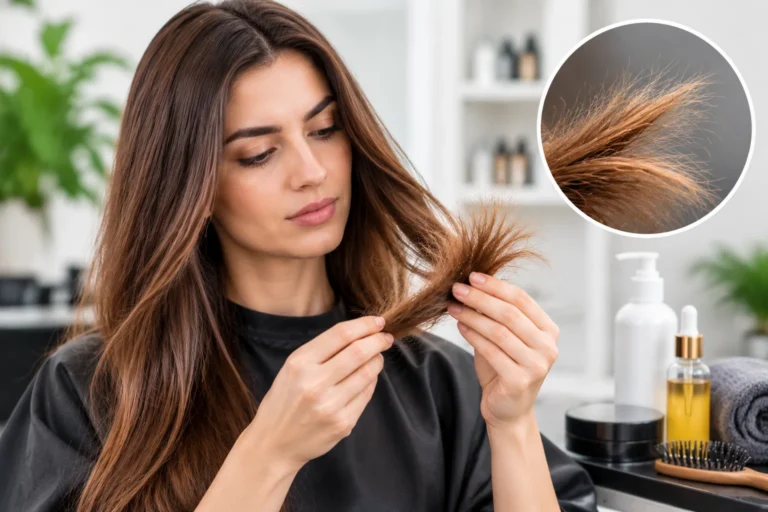
Breakage is different again. It occurs when hair fibers become damaged and snap, often because of excessive heat, chemical treatments, or mechanical stress. A person may experience shedding, thinning, and breakage at the same time. A dermatologist can examine the scalp and hair to help distinguish between these issues.
Which Changes Should You Watch For?
Common signs include a widening part, increased scalp visibility, a receding hairline, or less volume than usual. Some people notice that their ponytail feels smaller or that their hair takes less time to style because there is less density.
Sudden shedding, distinct bald patches, scalp pain, redness, scaling, or itching deserve professional attention. These symptoms may indicate an underlying condition rather than ordinary age-related changes. Tracking when the changes began and whether they are progressing can help a dermatologist understand the situation.
What Hair Care Practices Help Manage Thinning Hair?
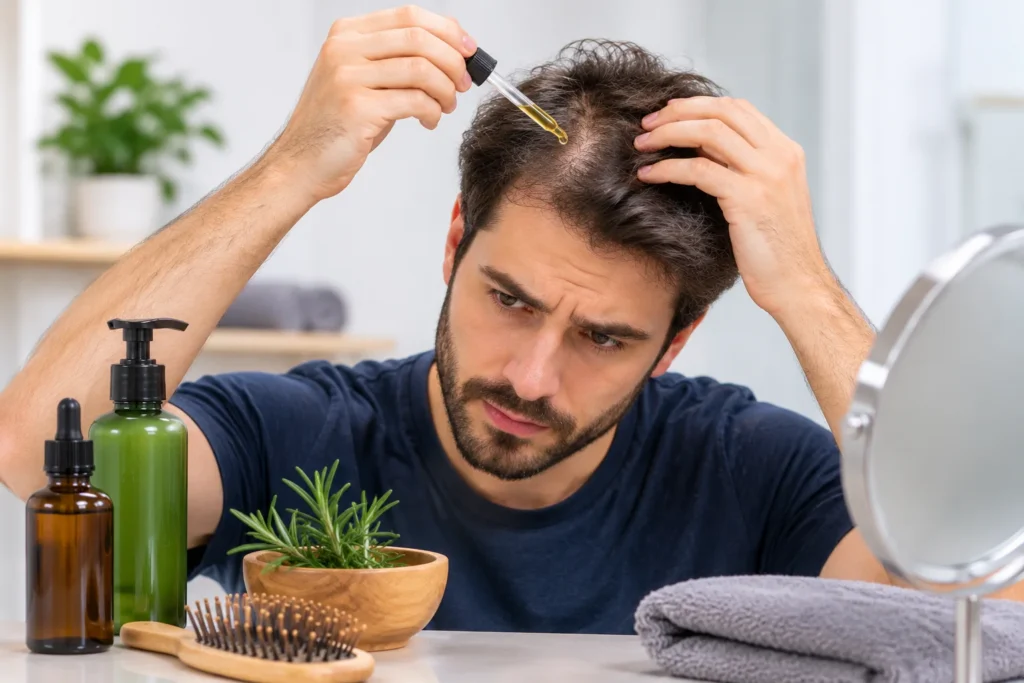
Daily hair care cannot reverse every type of hair loss, particularly when the cause involves genetics or a medical condition. However, appropriate grooming can reduce breakage and help existing hair look fuller. The aim is to protect fragile strands, avoid unnecessary tension, and maintain a comfortable scalp environment. Choosing suitable products and adjusting styling habits can be especially useful for clients who frequently use heat tools, chemical treatments, or tightly secured hairstyles.
Which Products and Styling Habits Are Suitable for Thinning Hair?
Choose a gentle shampoo that suits your scalp and hair type, and use conditioner to improve manageability and reduce friction. Lightweight styling products may add volume without making fine hair appear heavy. Avoid excessive heat, aggressive brushing, and repeated chemical processing, as these can weaken the hair shaft.
Tight ponytails, braids, and extensions can place continuous tension on follicles and contribute to traction alopecia. Hair professionals should consider a client’s hair density and condition before recommending extensions or styles that create pulling. These adjustments help reduce avoidable damage, although they do not treat hereditary hair loss.
How Can You Build a Hair Care Routine for Thinning Hair?
A consistent routine can help protect fragile hair and reduce preventable breakage. Follow these practical steps:
- Cleanse gently: Use a suitable shampoo and massage the scalp without scratching.
- Condition regularly: Apply conditioner to the lengths and ends to reduce friction.
- Reduce heat exposure: Limit high-temperature styling and use heat protection when necessary.
- Handle hair carefully: Detangle gently, starting from the ends and moving upward.
- Avoid excessive tension: Choose loose hairstyles instead of tight ponytails or braids.
- Maintain balanced nutrition: Include adequate protein and a variety of nutrient-rich foods.
If thinning continues despite improved hair care, seek professional assessment rather than relying on cosmetic products alone.
Which Professional Hair Thinning Treatments Are Available?
Professional treatment depends on the type and cause of hair loss. A dermatologist may examine the scalp, review medical and family history, and recommend blood tests when a deficiency, hormonal imbalance, or other health condition is suspected. Options can include topical medication, prescription treatments, selected procedures, or hair transplantation. Not every treatment is suitable for every person, and results vary. Understanding the benefits, limitations, and ongoing requirements of each option helps people make informed decisions.
How Does Minoxidil Help Treat Certain Types of Hair Thinning?
Minoxidil is a topical medication used for certain forms of pattern hair loss. It can help stimulate hair growth and slow further thinning in some people. However, it is not appropriate for every cause of hair loss, and results usually require several months of consistent use.
The American Academy of Dermatology explains that minoxidil can help with early hair loss, but it cannot restore an entire head of hair. Continued use is generally necessary to maintain its benefits. Possible side effects include scalp irritation, dryness, and unwanted hair growth in nearby areas. A healthcare professional can advise whether it is suitable.
What Are the Roles of PRP, Laser Therapy, and Hair Transplantation?
Platelet-rich plasma (PRP) involves preparing a concentration of platelets from a person’s blood and injecting it into selected scalp areas. Some studies suggest potential benefits for certain types of hair loss, but treatment protocols and results vary. Low-level light or laser therapy may also be considered in selected cases, although evidence and long-term outcomes remain limited.
Hair transplantation moves follicles from a donor area to areas with reduced density. It may be an option for suitable candidates with pattern hair loss, but requires professional assessment. The American Academy of Dermatology emphasizes that “No one hair loss treatment works for everyone.” This is why diagnosis should come before choosing a procedure.

How Can You Choose the Right Hair Thinning Treatment?
Choosing an appropriate treatment requires understanding why the hair is thinning, how quickly the changes are progressing, and what outcomes are realistic. A cosmetic approach may improve volume and appearance, while medical treatment may be needed to address follicle-related hair loss. Some people require a combination of approaches. It is also important to consider treatment costs, possible side effects, maintenance, and the time needed to evaluate results. Professional guidance helps prevent unnecessary spending on products or procedures that are unlikely to address the underlying problem.
Why Is Professional Diagnosis Important?
A dermatologist can assess the scalp, hair density, growth pattern, and medical history. Depending on the findings, further investigations may include blood tests or a scalp biopsy. This process can help identify conditions such as hereditary hair loss, telogen effluvium, alopecia areata, or nutritional deficiencies.
Seek medical advice if thinning develops suddenly, occurs in distinct patches, progresses rapidly, or is accompanied by scalp inflammation or discomfort. The NHS also recommends discussing hair loss with a healthcare professional before visiting a commercial hair clinic. Early assessment can help identify suitable treatment options and avoid delays in addressing treatable causes.
How Long Does It Take to See Treatment Results?
Hair grows gradually, so most treatments require patience. Some people using minoxidil may need six to twelve months to assess the response. Other treatments have different timelines depending on the condition, treatment method, and individual response.
Keep realistic expectations and follow professional instructions. Avoid switching between products every few weeks because this makes it difficult to evaluate results. Periodic photographs taken under similar lighting conditions can help track changes more objectively.
Conclusion
Hair thinning can have several causes, from genetic and hormonal factors to stress, nutritional deficiencies, and damaging grooming habits. Effective management begins with identifying the cause rather than choosing products based only on advertising claims. Gentle hair care can reduce breakage, while medical treatments may help manage specific forms of hair loss.
For salon owners and hair professionals, understanding the difference between cosmetic thinning and medical hair loss supports more responsible client recommendations. Salomio encourages informed hair care and professional knowledge. Help clients make better decisions by combining suitable grooming practices with timely referrals to qualified healthcare professionals.

Comments