
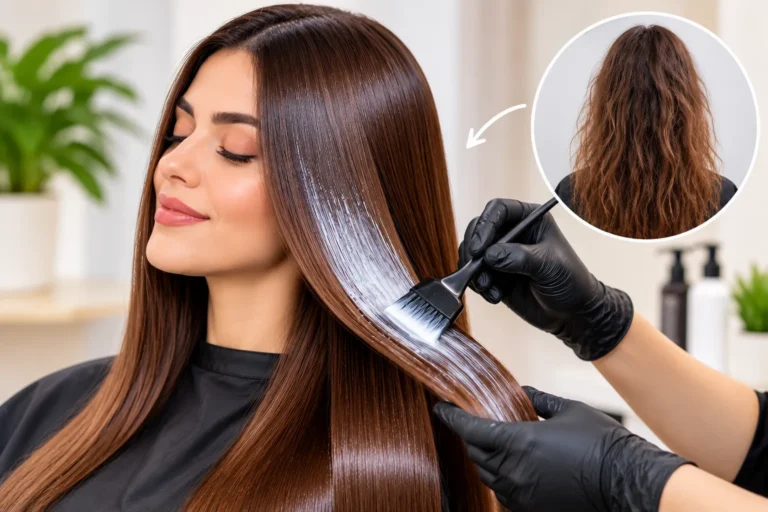
A keratin treatment can make hair smoother, shinier, and easier to manage, but maintaining those results requires consistent aftercare. Choosing suitable products, following the correct washing schedule, and protecting hair from heat and environmental stress can influence how long the treatment lasts. For clients and professional stylists, understanding keratin treatment aftercare is essential for maintaining hair quality and setting realistic expectations after a salon service.
The right routine should support moisture, minimise unnecessary damage, and preserve the treatment’s cosmetic results without relying on excessive styling or unsuitable products.
What Should You Do Immediately After a Keratin Treatment?
The first few days after a keratin treatment are important because different smoothing systems have different processing and aftercare requirements. Some treatments require clients to keep their hair dry for a specific period, while others allow immediate washing.
Therefore, there is no universal waiting time that applies to every formula. Before leaving the salon, clients should understand the product-specific instructions, including when to shampoo, whether they can tie their hair, and which styling products are suitable. Following these recommendations helps avoid unnecessary interference with the treatment and supports more consistent results.
How Long Should You Wait Before Washing Your Hair?
The correct waiting period depends on the keratin system used. Traditional treatments may require clients to wait approximately 48 to 72 hours before washing their hair. However, some modern formulas are designed to be rinsed or washed much sooner. For example, Peter Coppola’s professional aftercare guidance specifies a 24-hour waiting period for its particular system.
Clients should never assume that the three-day rule applies to every treatment. Washing too early when a formula requires a waiting period may affect the intended finish. Conversely, waiting unnecessarily long is not always beneficial. The safest approach is to follow the manufacturer’s instructions and the stylist’s recommendations for the exact product used.
Can You Tie or Clip Your Hair After Keratin?
Some keratin systems recommend avoiding tight hairstyles during the initial setting period. Hair ties, clips, headbands, and tight ponytails may create visible bends or pressure marks in freshly treated hair.
If the product instructions require a waiting period, clients should keep their hair loose and avoid placing it behind their ears for extended periods if this could create creases. Sleeping on a smooth pillowcase may also reduce friction and help maintain a neat appearance.
These restrictions are not universal. Certain treatments do not require clients to follow the same precautions. A professional stylist should explain which styling habits to avoid and for how long, based on the formula used.
Which Hair Products Should You Use After a Keratin Treatment?
Choosing appropriate hair products is one of the most important parts of keratin treatment aftercare. The aim is to cleanse the scalp without unnecessarily stripping the hair, maintain softness, and reduce friction during styling. A suitable routine usually includes a gentle shampoo, conditioner, and occasional hair mask. However, product selection should also consider hair texture, scalp condition, colour treatment, and the specific smoothing formula. Using expensive products does not automatically guarantee better results; compatibility and consistent use are more important than brand recognition.
Why Should You Choose a Sulfate-Free Shampoo?
Sulfate-free shampoos are commonly recommended for keratin-treated hair because they avoid certain strong cleansing surfactants found in many conventional shampoos. Depending on the formula, frequent use of stronger cleansers may contribute to dryness and can make the smoothing finish appear less noticeable over time.
A gentle shampoo can remove excess oil, sweat, and product residue while helping maintain a comfortable scalp. Some keratin systems also recommend avoiding sodium chloride in aftercare products. However, these requirements vary, so clients should check the product manufacturer’s guidance instead of assuming every keratin treatment has identical restrictions.
It is also important not to confuse sulfate-free with automatically suitable. A shampoo should still cleanse effectively and match the scalp’s needs. If the scalp becomes oily or develops persistent irritation, a stylist or dermatologist can help identify a more appropriate option.
Can Conditioners, Hair Masks, and Oils Help?
Conditioners help improve softness, reduce friction, and make wet hair easier to detangle. Applying conditioner mainly to the mid-lengths and ends can support manageability without unnecessarily weighing down the roots.
Hair masks may provide additional conditioning when the hair feels dry or rough. Their frequency should depend on hair texture and condition rather than a fixed schedule. Fine hair may become weighed down by rich formulas, while thick or coarse hair may benefit from more intensive conditioning.
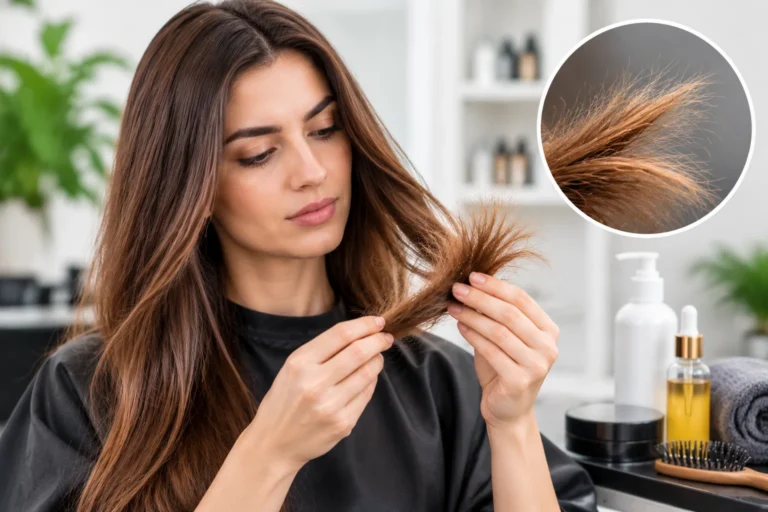
Lightweight leave-in conditioners and hair oils can also help reduce friction and improve the appearance of dry ends. They do not replace a proper cleansing routine or repair every type of chemical damage. The most effective approach is to select products according to the hair’s actual needs rather than layering several treatments unnecessarily.
How Can You Protect Keratin-Treated Hair from Damage?
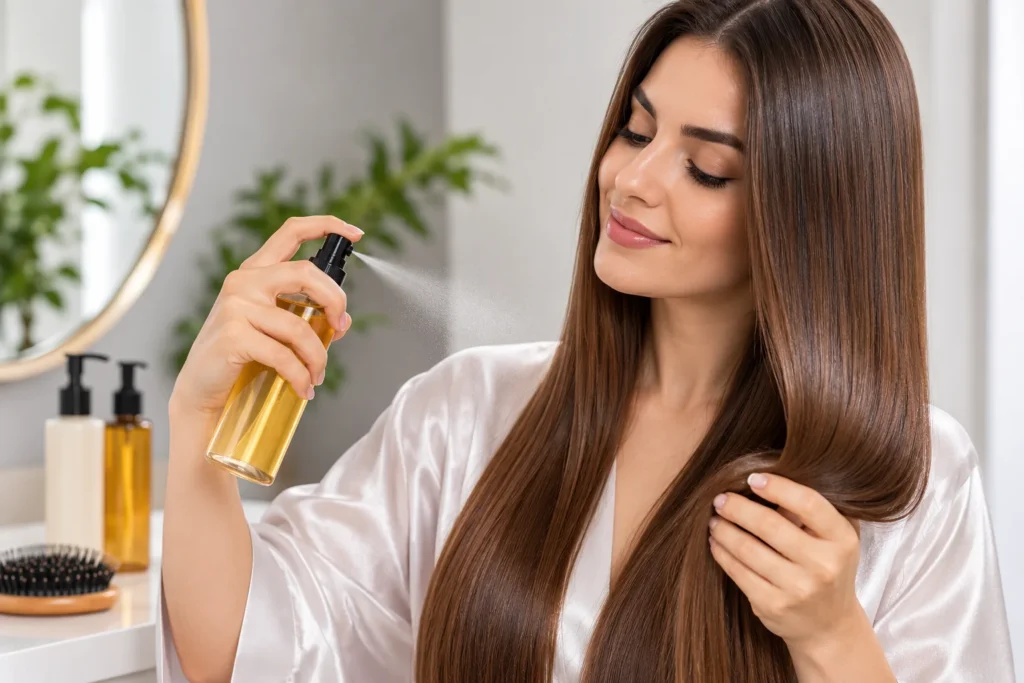
Keratin-treated hair still requires protection from heat, friction, environmental exposure, and excessive chemical processing. Although the treatment may make styling easier, it does not make hair immune to damage. Frequent high-temperature styling, rough towel drying, harsh cleansing, and repeated chemical services can affect the hair’s appearance and condition. A balanced routine should focus on reducing unnecessary stress while maintaining the scalp and hair lengths in good condition. These precautions are particularly important for clients who also colour, bleach, or regularly heat-style their hair.
How Should You Wash and Dry Keratin-Treated Hair?
After the recommended waiting period, wash hair with lukewarm water and a suitable shampoo. Concentrate cleansing on the scalp, where oil and product buildup accumulate, rather than aggressively rubbing the lengths. Allow the shampoo to rinse through the hair without tangling or rough handling.
Apply conditioner to the mid-lengths and ends, then detangle gently using a wide-tooth comb if needed. Avoid twisting wet hair or rubbing it forcefully with a towel. Instead, press excess water out with a soft towel or microfibre fabric.
When blow-drying, use a moderate temperature and keep the dryer moving. Excessive heat can contribute to dryness and breakage, even when hair has received a smoothing treatment. Gentle handling helps preserve the hair’s appearance and reduces unnecessary mechanical stress.
How Can You Reduce Heat Styling Damage?
A keratin treatment may reduce the time required for blow-drying and styling, but repeated exposure to high temperatures can still weaken the hair fibre. Clients should avoid using flat irons unnecessarily, especially when their hair already feels dry or fragile.
When heat styling is needed, apply a suitable heat protectant and select a temperature appropriate for the hair’s condition and the product instructions. Avoid repeatedly passing a flat iron over the same section. Lowering heat exposure and reducing styling frequency are practical ways to limit avoidable damage.
Dr. Wilma Bergfeld, a dermatologist quoted in Cleveland Clinic’s hair-care guidance, explains the importance of understanding what keratin treatments do: “The keratin treatment isn’t shampooed out. It coats your hair and it smooths everything out.” This helps explain why maintaining the hair’s surface and avoiding unnecessary stress are important after the service.
How Can You Protect Your Hair from Chlorine and Saltwater?
Chlorinated swimming pools and saltwater can leave hair feeling dry, rough, or difficult to manage. Clients who swim regularly should take practical precautions to reduce prolonged exposure.
Before swimming, wet the hair with clean water and consider applying a suitable leave-in conditioner if compatible with the treatment. A swimming cap can provide additional protection. After swimming, rinse the hair thoroughly with fresh water to remove chlorine or salt residue.
It is not necessary for every client to avoid swimming indefinitely after a keratin service. However, the initial waiting period and any specific product restrictions should be respected. Regular exposure without appropriate care may affect the hair’s feel and appearance.
How Often Should You Wash and Maintain Keratin-Treated Hair?
A consistent maintenance schedule can help preserve the cosmetic results of a keratin treatment. Washing frequency, product selection, and styling habits all influence how the hair looks over time. However, clients should not follow a rigid schedule that ignores scalp health or personal needs. Someone with an oily scalp may need more frequent cleansing than someone with dry hair. The objective is to balance effective scalp hygiene with gentle hair care. Professional advice is especially useful when clients have coloured, bleached, or previously damaged hair.
What Is the Best Washing Frequency After Keratin?
There is no single washing frequency suitable for everyone. Washing too frequently may cause the smoothing effect to fade sooner with some treatments, while washing too rarely can allow oil, sweat, and styling products to accumulate on the scalp.
Many clients find that washing two or three times a week works for their routine, but this is only a general starting point. Scalp oil production, physical activity, climate, and hair texture should guide the schedule.
If the scalp becomes itchy, uncomfortable, or visibly oily, hygiene should take priority over extending the treatment’s lifespan. A gentle shampoo that suits the scalp and follows the treatment’s product guidance is usually a more practical choice than avoiding washing altogether.
Which Habits Can Shorten the Life of a Keratin Treatment?
Several habits may reduce the longevity of a smoothing result or make hair appear less healthy:
- Using unsuitable or overly harsh cleansing products.
- Washing more frequently than necessary for the hair’s condition.
- Applying excessive heat without protection.
- Swimming regularly without rinsing away chlorine or salt.
- Using tight hairstyles during any product-specific restriction period.
- Overlapping chemical services without professional assessment.
- Pulling or brushing tangled hair aggressively.
Keratin treatments are not permanent. Their effects gradually diminish with washing, new hair growth, and everyday exposure. Hair.com, powered by L’Oréal Professional Products Division, notes that treatment longevity depends on factors including hair type, the formula, and aftercare.
How Can You Build a Daily Hair Care Routine After a Keratin Treatment?
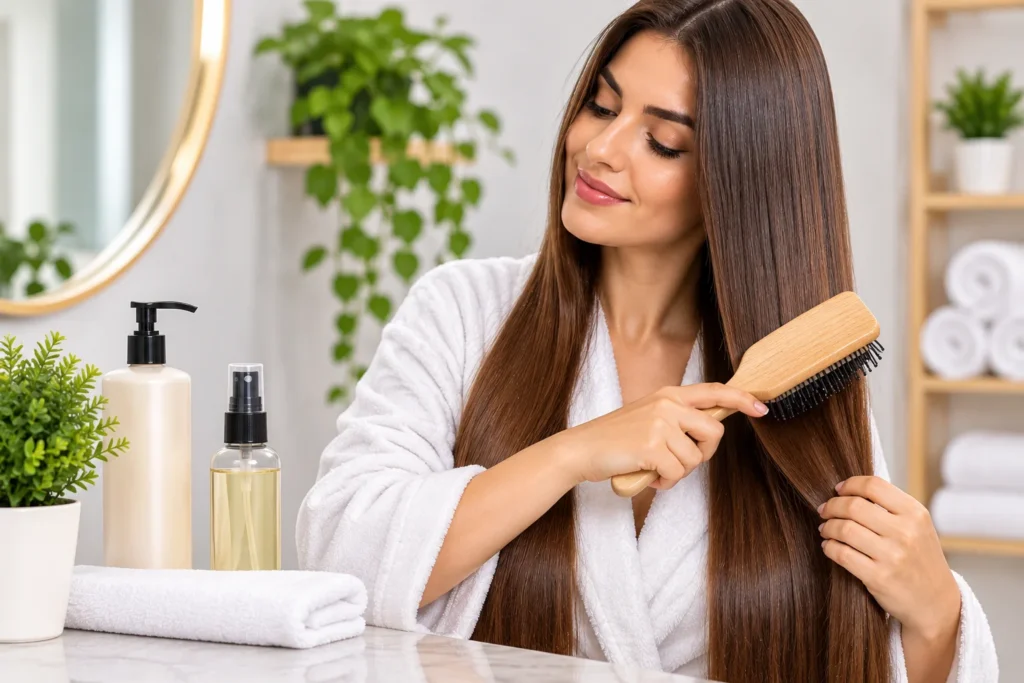
A practical routine should be simple enough to maintain consistently. Clients do not need a large collection of specialist products to care for keratin-treated hair. Instead, they should focus on gentle cleansing, suitable conditioning, careful styling, and protection from environmental stress. Professional stylists can improve the client experience by explaining the correct aftercare routine before the appointment ends. This also helps prevent confusion about washing restrictions, product compatibility, and maintenance appointments.
How Can You Maintain Healthy Hair After Keratin?
Use the following routine as a general guide, adjusting it to the product manufacturer’s instructions and your hair’s needs.
- Follow the initial instructions: Confirm when your specific treatment allows the first wash and whether temporary styling restrictions apply.
- Choose suitable products: Use a gentle shampoo and conditioner compatible with your keratin system.
- Condition regularly: Apply conditioner to the lengths and ends to improve softness and manageability.
- Protect before styling: Use a heat protectant whenever you blow-dry or use hot tools.
- Reduce unnecessary heat: Allow hair to air-dry when practical and avoid repeated flat-iron passes.
- Protect during swimming: Rinse hair with fresh water after exposure to chlorine or saltwater.
- Monitor hair condition: If you notice unusual dryness, breakage, scalp irritation, or persistent changes, consult a qualified professional.
Conclusion
Maintaining healthy hair after a keratin treatment requires consistent care rather than a complicated product routine. Following the correct initial instructions, choosing compatible hair products, conditioning regularly, and reducing unnecessary heat exposure can help preserve smoothness and manageability. Protection from chlorine, saltwater, and rough handling also supports better-looking hair over time.
For salon professionals, explaining aftercare clearly is an important part of delivering a quality service. At Salomio, discover more professional hair-care insights and practical guidance to help clients maintain their salon results and make informed beauty decisions.
Comments