
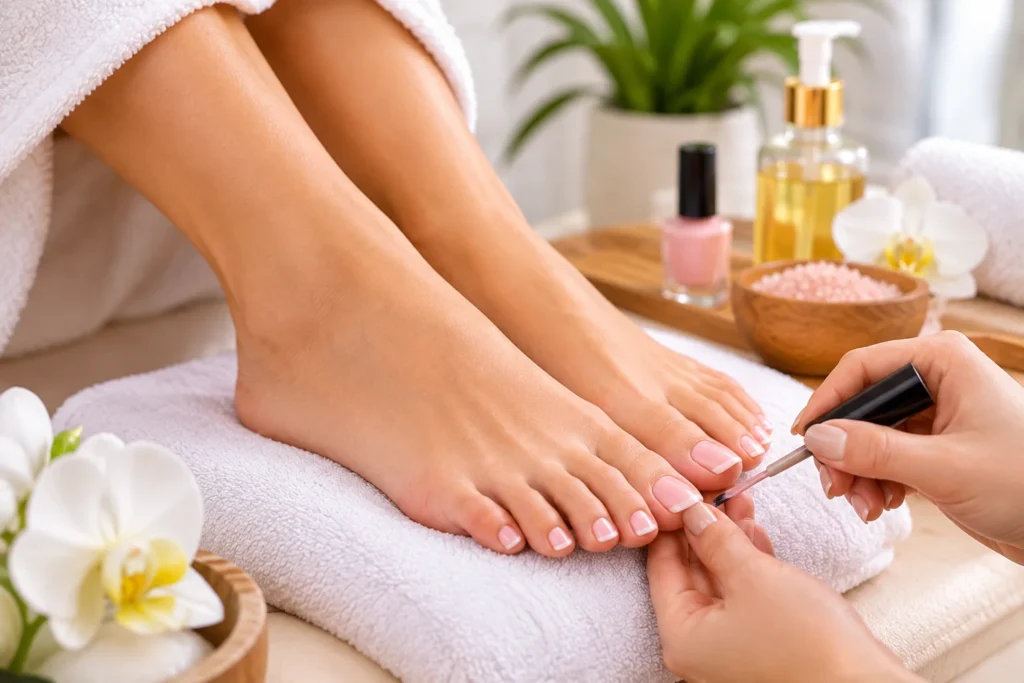
Pedicures are more than a way to make toenails look attractive. They can include nail grooming, skin exfoliation, hydration, relaxation, and specialized foot-care services. However, not every treatment offers the same experience or serves the same purpose.
Understanding the different types of pedicures helps clients choose a service that matches their preferences, foot condition, and maintenance needs. Whether you want a simple nail refresh, a relaxing spa experience, or longer-lasting polish, this guide from Salomio explains the most popular options, their differences, and what to consider before booking an appointment.
What Are the Different Types of Pedicures?
A pedicure is a professional foot and toenail care service that may include trimming, shaping, cuticle care, exfoliation, moisturizing, massage, and nail polish application. Some treatments focus mainly on appearance, while others emphasize relaxation or specialized foot care. The most common options include classic, spa, gel, French, paraffin, express, waterless, and medical pedicures. Their procedures and benefits can vary between salons, so understanding what each service includes is important before making a choice.
How Do Pedicure Treatments Differ from One Another?
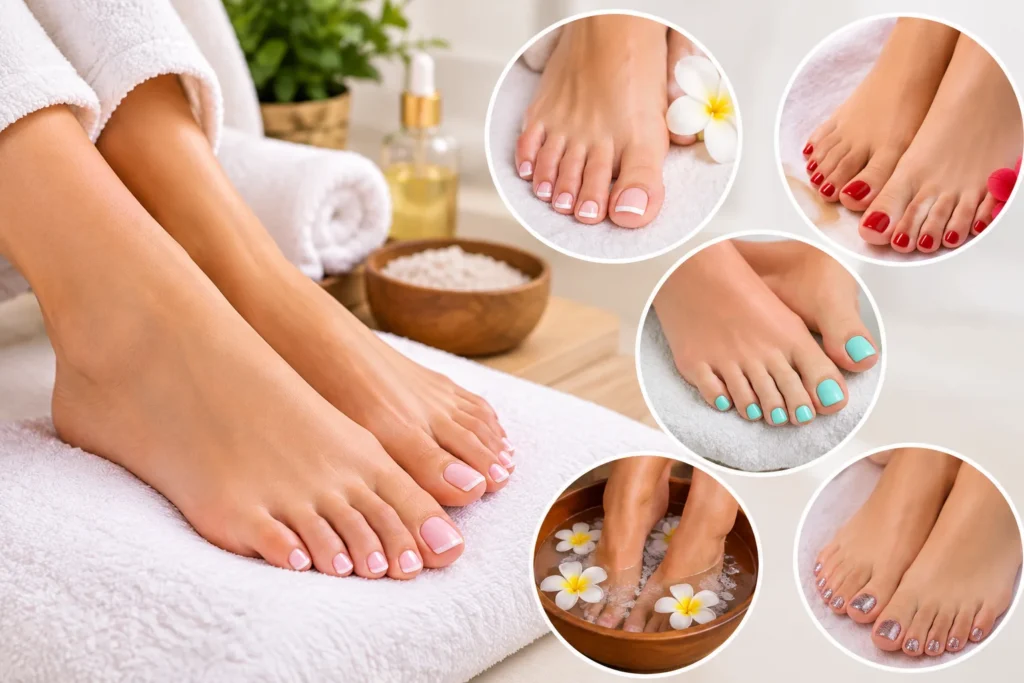
The main difference between pedicure treatments is their purpose and the services included. A classic pedicure focuses on basic nail grooming and polish, while a spa pedicure adds more extensive skin care and relaxation. Gel pedicures use a special polish that requires curing under a UV or LED lamp, whereas French pedicures describe a particular nail design rather than a separate foot-care process.
Other options have different priorities. Paraffin treatments focus on conditioning dry skin, express pedicures provide basic maintenance in less time, and waterless services avoid traditional foot soaking. Medical pedicures are different because they prioritize foot health and professional hygiene rather than cosmetic results. Some treatments can also be combined, such as a spa pedicure with French gel polish.
What Are the Most Popular Types of Pedicures?
The most popular pedicures vary in duration, technique, products, and final appearance. Some are designed for regular grooming, while others provide additional skin care or a specific nail finish. Knowing what happens during each service makes it easier to compare salon options and understand whether the treatment meets your expectations. The following types represent common choices, although the exact steps may differ depending on the salon and technician.
What Is a Classic or Basic Pedicure?
A classic pedicure is a standard service focused on keeping toenails and surrounding skin neat. It typically includes cleaning the feet, trimming and shaping the nails, gentle cuticle care, exfoliation, moisturizing, and optional regular nail polish. Some salons begin with a warm foot soak, while others use different preparation methods.
This option is suitable for clients who want routine nail maintenance without additional treatments. It can also serve as a foundation for other services, such as a French finish or decorative nail art. However, clients should not expect a classic pedicure to treat medical conditions, deep heel cracks, or fungal nail infections. Those concerns require appropriate professional assessment.
What Makes a Spa Pedicure Different?
A spa pedicure expands on basic nail grooming by including additional relaxation and skin-care steps. Depending on the salon, these may involve a foot scrub, moisturizing mask, warm towels, longer massage, or specialized creams. The aim is to provide a more comprehensive and relaxing experience while improving the appearance and softness of the skin.
Spa pedicures are often chosen by people who want more than nail maintenance. They can be particularly appealing when feet feel dry or tired, although results depend on the products and techniques used. A spa pedicure should not involve aggressive scraping or cutting of living skin. Clients with open wounds, irritation, or certain health conditions should discuss suitability before treatment.
What Are Gel, French, and Paraffin Pedicures?
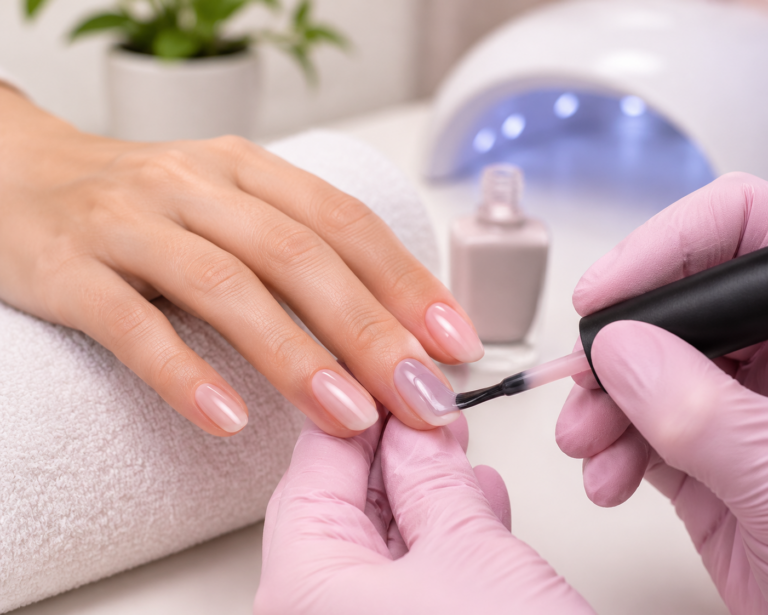
These three options focus on different aspects of the pedicure experience. A gel pedicure uses gel polish that is cured under a UV or LED lamp, producing a durable finish that generally resists chipping longer than regular polish. Proper application and removal matter because picking or forcefully removing gel can damage the natural nail.
A French pedicure is defined by its appearance: a natural-looking base with a contrasting, commonly white, tip. It can be created with regular polish or gel products. A paraffin pedicure adds a warm paraffin treatment, usually after basic foot care, to help condition dry skin. Temperature control is essential, and paraffin should not be applied to unsuitable or damaged skin.
What Are Express and Waterless Pedicures?
An express pedicure is a shorter service that concentrates on essential grooming, such as nail trimming, shaping, and sometimes polish application. It is useful for clients who want a quick refresh between full appointments. Because the service is shorter, it may not include extensive exfoliation, massage, or specialized skin treatments.
A waterless pedicure is performed without soaking the feet in a traditional basin. The technician uses suitable products and controlled techniques to clean, groom, and care for the feet. Some clients prefer this approach because it avoids shared footbath water. However, waterless does not automatically mean risk-free: tools, surfaces, and products must still be handled hygienically.
How Do Different Types of Pedicures Compare?
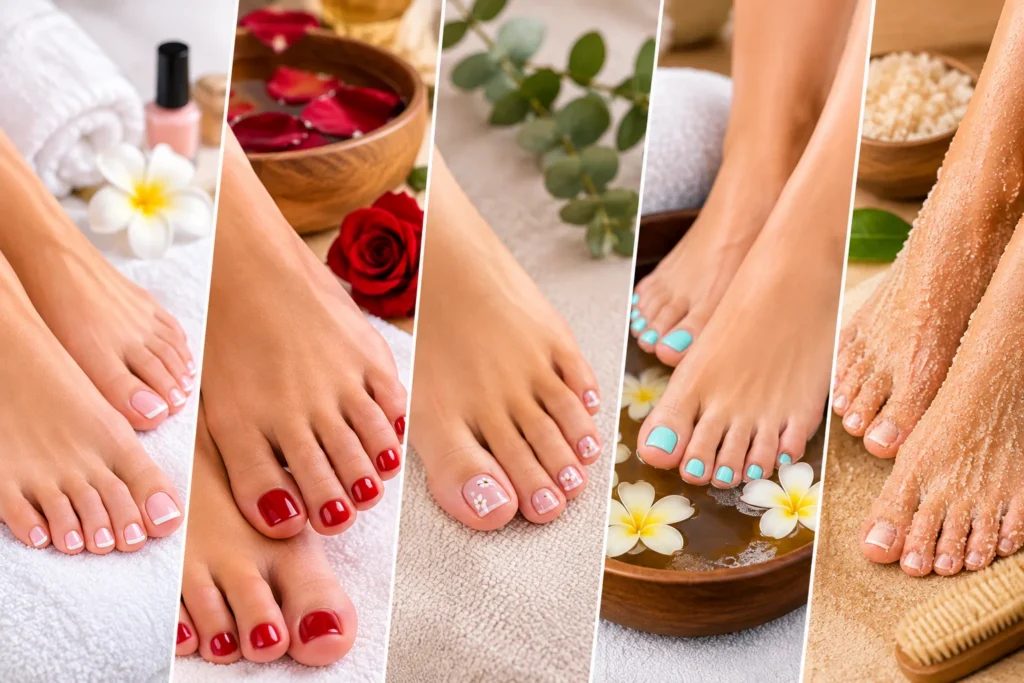
Choosing between pedicures becomes easier when their main features are compared. The right service depends on whether the priority is nail appearance, skin conditioning, relaxation, convenience, or specialized care. The table below summarizes common treatments, their focus, and the clients who may find them useful. Remember that salon menus are not standardized, so always confirm the exact steps and products included before booking.
| Pedicure Type | Main Features | Best For |
|---|---|---|
| Classic | Nail grooming and regular polish | Routine maintenance |
| Spa | Scrub, mask, massage, moisturizing | Relaxation and skin care |
| Gel | Long-lasting gel polish | Durable nail color |
| French | Contrasting tips and natural base | Classic nail appearance |
| Paraffin | Warm paraffin conditioning | Dry skin |
| Express | Shorter essential service | Quick maintenance |
| Waterless | Foot care without soaking | Clients preferring no footbath |
| Medical | Specialized foot-care approach | Specific foot-health needs |
What Is the Difference Between a Regular and a Medical Pedicure?
A regular pedicure is primarily a cosmetic service performed by a qualified nail technician. A medical pedicure, sometimes called a medi pedi, focuses more directly on foot health, hygiene, and individual concerns. It may be performed by a specially trained medical nail technician in collaboration with a podiatrist or foot-care professional.
Cleveland Clinic podiatrist Joy Rowland, DPM, explains: “A medical pedicure offers a higher level of cleanliness, safety and care compared to traditional pedicures.” The distinction is important for people with diabetes, circulation problems, reduced sensation, or recurring foot concerns. A medical pedicure is not a substitute for diagnosis or treatment by a healthcare professional, and salon technicians should not attempt procedures beyond their training or legal scope.
Which Type of Pedicure Is Best for Your Feet and Lifestyle?
There is no single best pedicure for everyone. The right option depends on the condition of your feet, preferred nail finish, available time, budget, and any health considerations. Someone who wants simple grooming may be satisfied with a classic service, while another client may prefer the additional relaxation of a spa treatment. Choosing based on actual needs rather than the most elaborate salon package can make the experience more useful and comfortable.
Which Pedicure Is Best for Dry Skin and Rough Heels?
For generally dry skin, a spa pedicure with gentle exfoliation and moisturizing products may be a suitable cosmetic option. A paraffin treatment may also help condition dry skin by creating a warm, moisturizing covering. However, these services are not appropriate for every foot condition, especially when there are open wounds, significant inflammation, or reduced skin sensitivity.
Deep cracks, bleeding heels, persistent scaling, or suspected fungal infections should not be treated as ordinary cosmetic concerns. A healthcare professional can determine whether medical care is needed. Clients with diabetes or circulation problems should be especially cautious about foot treatments and seek guidance from their healthcare team before undergoing procedures that involve soaking, exfoliation, or cutting.
How Can You Choose a Safe and Suitable Pedicure?
Use these practical steps before booking:
- Identify your goal: Decide whether you need nail grooming, longer-lasting polish, skin conditioning, or a relaxing treatment.
- Check your foot condition: Look for cuts, sores, swelling, irritation, or nail changes that may require professional assessment.
- Confirm the service details: Ask what products, tools, soaking methods, and polish options are included.
- Check salon hygiene: Make sure reusable instruments are properly sterilized or disinfected and disposable items are used only once.
- Communicate health concerns: Tell the technician about allergies, sensitivities, diabetes, circulation issues, or recent injuries.
- Speak up during treatment: Ask the technician to stop if a procedure causes pain or discomfort.
Podiatrist Joy Rowland advises clients to inspect a salon before choosing it: “Visit the place you want to go,” she suggests. This practical advice reinforces the importance of observing hygiene procedures rather than judging a salon by appearance alone.
How Can You Maintain Healthy Feet Between Pedicure Appointments?
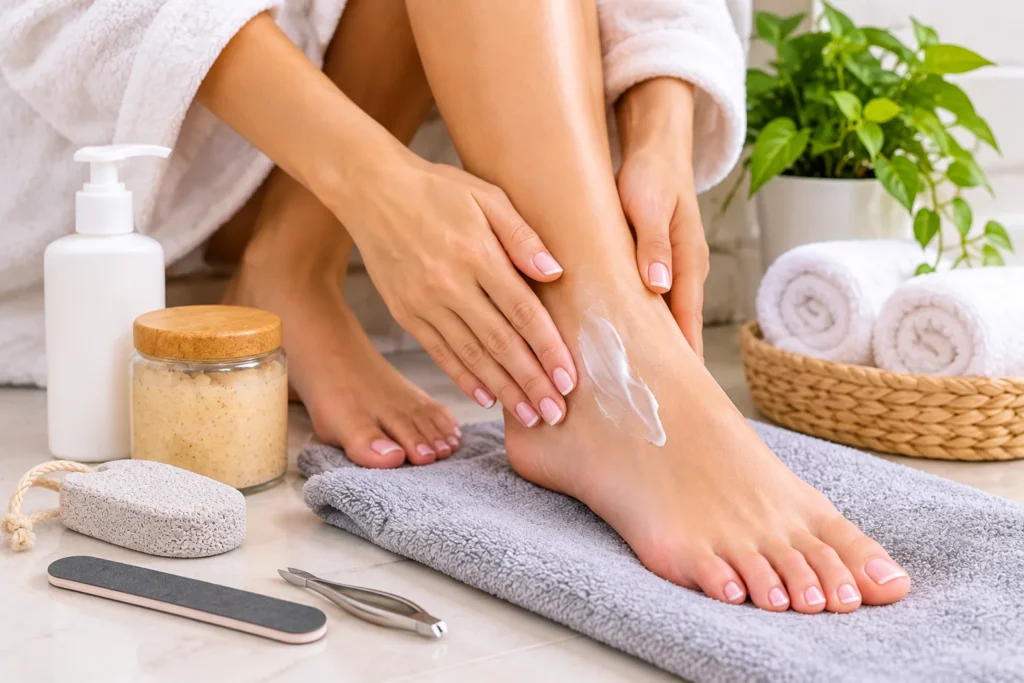
A professional pedicure can improve the appearance of feet, but everyday care remains important. Washing and thoroughly drying the feet, keeping toenails clean and appropriately trimmed, changing socks regularly, and using suitable moisturizer can support basic foot hygiene. The Centers for Disease Control and Prevention (CDC) recommends checking feet regularly for cuts, sores, swelling, dryness, and signs of infection.
Conclusion
The different types of pedicures serve different purposes, from basic nail grooming and long-lasting color to relaxation, skin conditioning, and specialized foot care. Classic, spa, gel, French, paraffin, express, and waterless pedicures offer cosmetic options, while medical pedicures address more specific foot-health needs through appropriately trained professionals. Choosing the right service means considering comfort, hygiene, personal goals, and any underlying health concerns.
For more nail-care guidance and professional beauty insights, explore Salomio and make informed choices about your next pedicure appointment.
Comments