
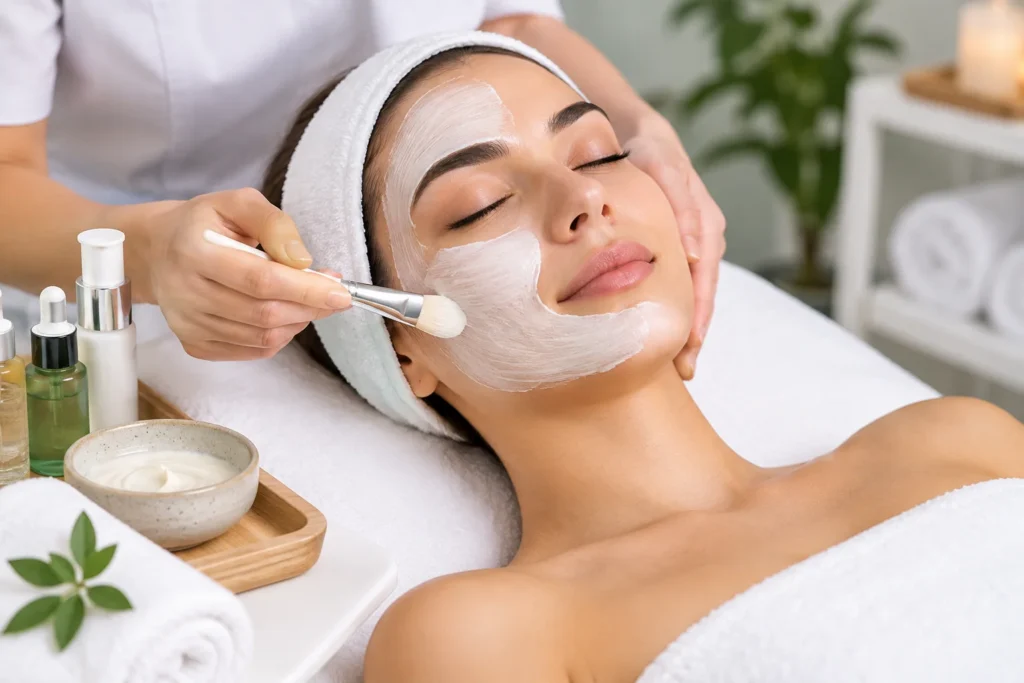
Choosing between different facial treatments can be confusing because every option targets different skin concerns, ingredients, techniques, and levels of intensity. A hydrating facial may be suitable for dry skin, while a deep-cleansing treatment may better address congestion or excess oil.
More advanced procedures, such as chemical peels or microdermabrasion, require greater attention to skin condition, professional experience, and aftercare. For clients and beauty professionals using Salomio, understanding these differences makes it easier to select treatments based on skin needs rather than trends or price alone.
What Are the Different Types of Facial Treatments?
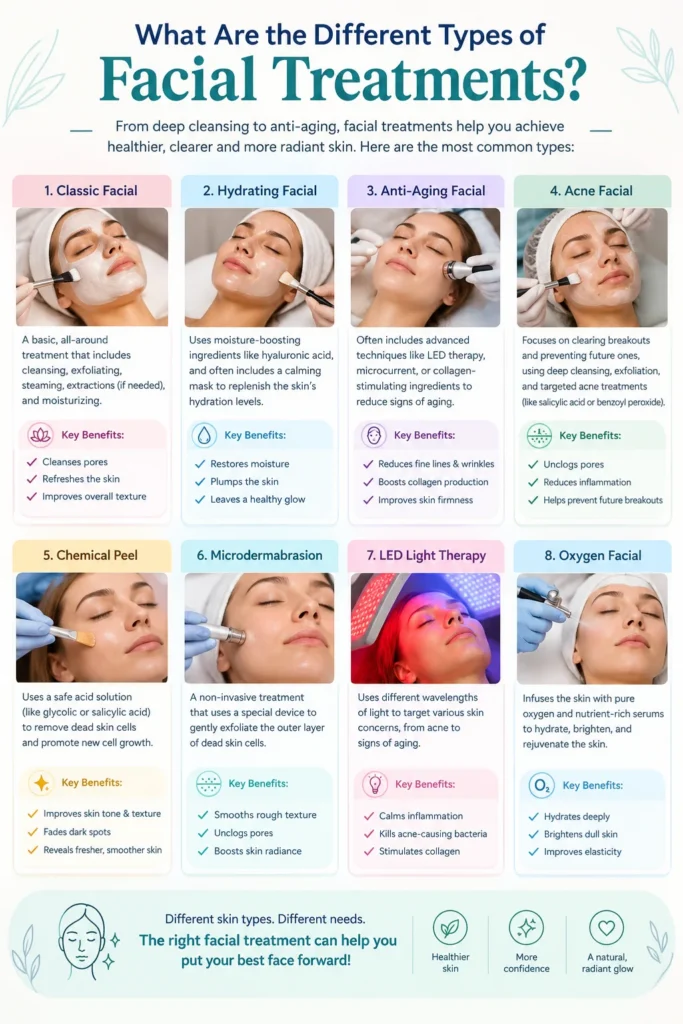
Facial treatments range from basic salon services designed to cleanse and hydrate the skin to professional procedures that provide controlled exfoliation or resurfacing. A traditional facial may include cleansing, exfoliation, extraction, a mask, moisturization, and other customized steps. Other treatments are more targeted.
Hydrating facials focus on moisture, brightening treatments address dull-looking skin, and acne-focused facials may emphasize cleansing and congestion management. Advanced procedures should not automatically be considered better; their suitability depends on the individual’s skin, goals, and risk factors.
Which Facial Treatments Are Commonly Offered?
Common facial options include classic facials, deep-cleansing facials, hydrating facials, brightening facials, anti-aging facials, acne-focused facials, and exfoliating treatments. Microdermabrasion is a non-invasive procedure that gently removes the outermost layer of skin and can improve the appearance of uneven texture and tone.
Chemical peels use specific chemical solutions to exfoliate the skin and may be used for concerns such as some types of acne, discoloration, dullness, and fine lines. The important distinction is that stronger procedures may involve different risks, preparation, and recovery requirements than a conventional facial.
Which Facial Treatment Is Best for Your Skin Type?
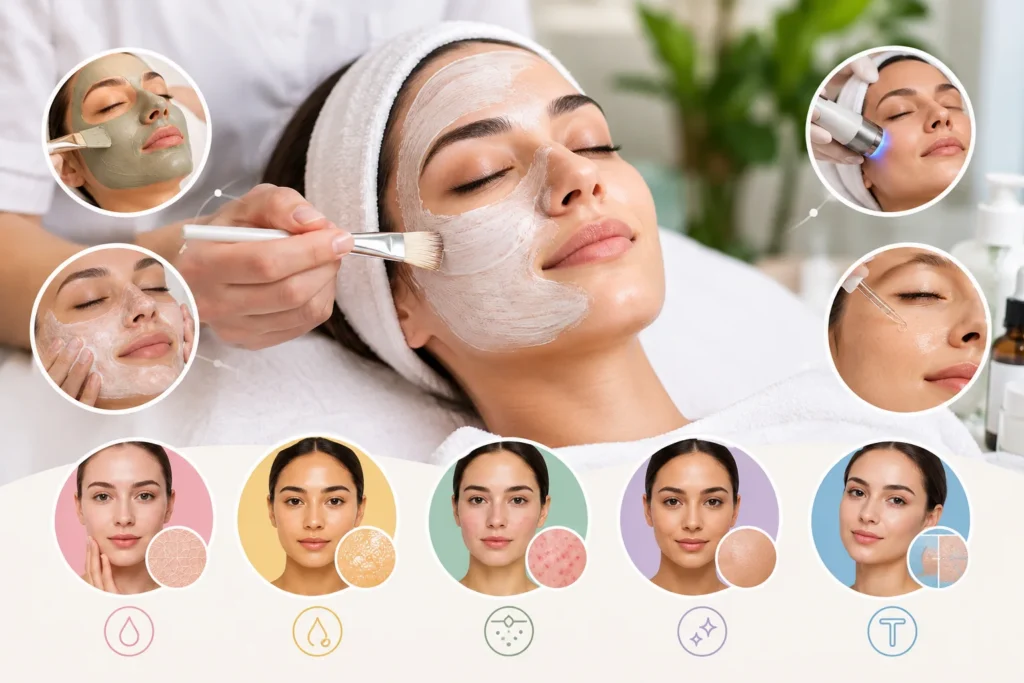
Skin type provides a useful starting point, but it should never be the only factor used to select a facial. Oily skin may need controlled cleansing and exfoliation, whereas dry skin generally benefits from a more moisturizing approach. Sensitive skin requires additional caution because aggressive exfoliation or irritating ingredients can worsen discomfort.
Combination skin may require a customized approach for different areas of the face. The objective is not to find one universally “best” facial, but to match the treatment intensity and ingredients to the condition of the skin.
How Should You Choose a Facial for Oily, Dry, or Sensitive Skin?
For oily or congested skin, a cleansing-focused facial may be appropriate when the primary goal is managing excess oil and buildup. Dry or dehydrated skin may benefit more from hydration-focused treatments and barrier-supportive products.
Sensitive skin generally calls for gentler techniques and careful ingredient selection. Dermatologists also warn that cosmetic products and treatments containing irritating ingredients can cause dryness, irritation, or breakouts when they are unsuitable for the individual. If the skin is highly reactive or has an active dermatological condition, professional evaluation should come before selecting an intensive facial.
Which Facial Treatment Is Best for Common Skin Concerns?
Skin concern is often more useful than skin type when deciding between treatment options. Two people may both have combination skin but have completely different goals: one may want to address clogged pores while another is concerned about pigmentation or early signs of aging.
Facial selection should therefore consider the primary concern, expected result, treatment intensity, and possible downtime. For example, microdermabrasion may help improve dullness and uneven texture, while chemical peels can target several concerns, including certain types of acne and discoloration.
Can Facial Treatments Help With Acne, Pigmentation, or Aging?
Some professional treatments can complement the management of acne, pigmentation, uneven texture, and visible signs of aging, but results depend on the individual and the procedure. Chemical peels are used by dermatologists for selected acne and discoloration concerns, while microdermabrasion can improve skin smoothness and tone.
However, stronger procedures can also cause unwanted effects if they are poorly selected or performed. People with darker skin tones should be particularly careful with procedures that may trigger pigment changes and should choose practitioners with appropriate experience.
How Can You Choose the Right Facial Treatment?
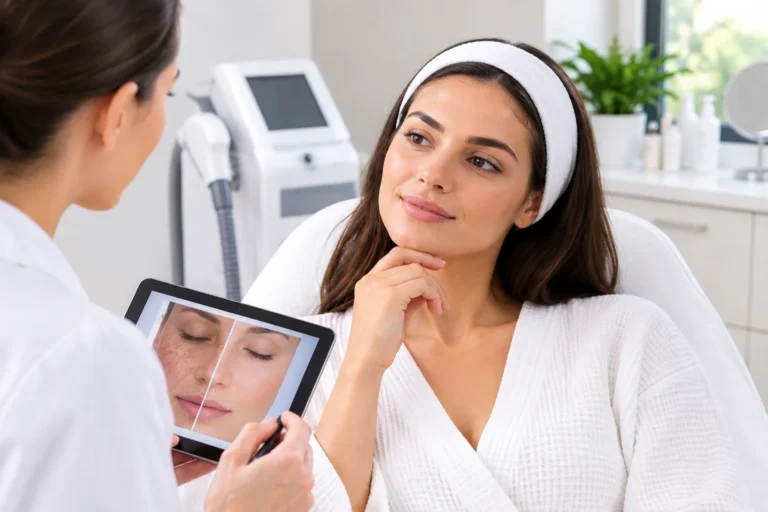
The right treatment should be selected through a combination of skin assessment, treatment goals, expected results, and safety considerations. Clients should ask what the procedure is designed to address, which products or active ingredients will be used, how intense the treatment is, whether downtime is expected, and who will perform it. This is especially important for chemical peels and other professional procedures. The American Academy of Dermatology recommends asking about expected results, potential side effects, recovery time, and the provider’s experience before cosmetic procedures.
How Can You Choose the Right Facial in Five Steps?
- Identify your skin type: Determine whether your skin is oily, dry, combination, normal, or sensitive.
- Define your main concern: Focus on acne, congestion, dryness, dullness, pigmentation, texture, or signs of aging.
- Match treatment intensity: Start with an appropriate basic facial when a simple approach can address your goal.
- Consider downtime: Advanced treatments may involve redness, peeling, or recovery time.
- Consult a qualified professional: Discuss your skin history, medications, previous treatments, risks, and realistic expectations before intensive procedures.
The AAD notes that the results of a chemical peel depend significantly on the skill of the person performing it, highlighting why professional expertise matters.
What Should You Consider Before Booking a Facial Treatment?
A suitable facial is not necessarily the strongest, newest, or most expensive option. Before booking, consider your current skin condition, previous reactions, medications, recent cosmetic procedures, and the amount of recovery time you can accept. For advanced treatments, a consultation is particularly important. The AAD recommends discussing medical history, previous treatments, medications, expected results, side effects, and downtime before procedures such as chemical peels.
Which Facial Treatment Should You Choose for Your Main Skin Goal?
| Main Skin Goal | Potential Treatment Direction |
|---|---|
| Dryness or dehydration | Hydrating facial |
| Excess oil or congestion | Deep-cleansing facial |
| Dull appearance | Brightening or exfoliating facial |
| Uneven texture | Microdermabrasion |
| Certain pigmentation concerns | Professional chemical peel |
| Fine lines and aging concerns | Customized anti-aging treatment |
These categories are starting points rather than universal prescriptions. A professional should consider the individual’s skin condition before recommending an intensive procedure.
What Do Dermatologists Say About Choosing Facial Treatments?
The American Academy of Dermatology emphasizes the importance of provider expertise when undergoing cosmetic procedures. Its guidance states: “The results you see after getting a chemical peel depend largely on the skill of the person performing the peel.”
The AAD also recommends asking appropriate questions before cosmetic procedures, including the expected results, potential side effects, recovery requirements, and the practitioner’s experience.
Conclusion
The right facial treatment depends on more than skin type or the popularity of a service. Skin concerns, treatment intensity, ingredients, expected results, downtime, and professional expertise should all be considered. Understanding these factors helps beauty professionals and clients make more informed decisions. Salomio can serve as a useful starting point for exploring professional beauty and skincare services.

Comments